International Human Rights Day: Reflections from Women Human Rights Defenders

International Human Rights Day is an opportunity to remember and celebrate almost 80 years of international consensus that every human being has inherent rights and dignity. Every woman and every girl in the world holds these rights. Women have played a central role in protecting and promoting human rights, from the drafting of the Universal Declaration of Human Rights to their continued advocacy today. Women’s rights are directly linked to the Women, Peace and Security agenda: without rights, there can be no peace and security.
Yet today, rights are under attack worldwide. Women’s civil and political rights are under threat, with fundamental freedoms declining for the 19th year in a row worldwide. Women’s economic, social, and cultural rights are also under threat; for example, over 2 billion women worldwide lack any form of social protection. Women also continue to experience targeted violence–including conflict-related sexual violence and gender-based violence, digital attacks and harassment, gender-motivated killings–and more than 676 million women and girls live within 50 km of a deadly conflict.
Despite these huge challenges, there have also been important recent victories for the human rights and women’s rights movements. From The Gambia’s successful effort to uphold a ban on female genital mutilation to Colombia’s passage of the Child‑Marriage Prohibition Bill and the launch of Ukraine’s Alliance for Gender-Responsive and Inclusive Recovery, individual countries have made important progress to protect the rights of women and girls. There are also global trends to celebrate, including women’s increased political participation, access to education, and a decline in child marriage.
Women human rights defenders worldwide are central to efforts to protect and advance human rights. Yet this year, the most targeted group of human rights defenders under threat is those who defend women’s rights. These women are taking huge risks to fight for the universal rights that all people deserve.
Today, GIWPS stands in solidarity with women human rights defenders worldwide and all those who fight for the rights of women and girls.
We asked some of the women human rights defenders in our network to share their thoughts on this anniversary and why they continue to fight for human rights. Here are their reflections:
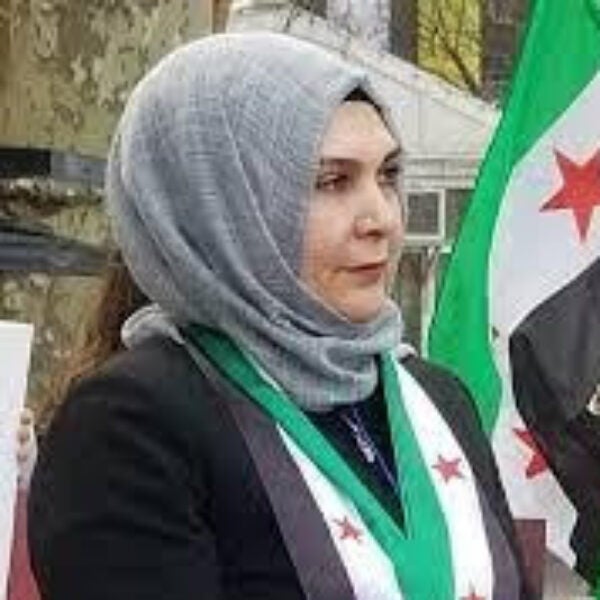
“Human rights are not just clauses in a declaration; they are the compass that safeguards our humanity and our very being. They are the simple yet profound truth that every person is born free and equal in dignity and rights. Let this day be a reminder that rights are not granted to us—we are born with them. And it is our shared duty to defend them, because our silence in the face of injustice makes us complicit in it.”
Galia Alrahal is a feminist and advocate of women’s rights, a winner of the Thomson Reuters Trust Power in Women award for her services and dedication to this cause. She is the Founder of Mazaya Center, a women’s empowerment initiative in northwestern Syria. Ms. Alrahal led the establishment of the first women’s library in Kafranbel, Idlib, in 2014. In the same year, she founded Mazaya magazine to train women journalists on reporting from war zones. She launched the Syrian Women’s Affairs Bureau in 2015, providing training to women on therapeutic atmospheres as well as counseling to women victims of gender-based violence.
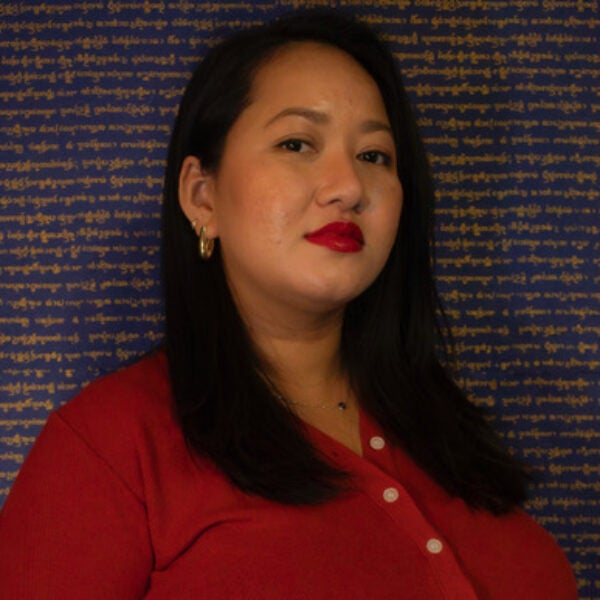
“On this Human Rights Day, we are reminded that creative resistance is both a shield and a lifeline—an expression of humanity that refuses to surrender dignity or memory to oppression. For Myanmar’s displaced and exiled communities of artists and activists who carry this struggle forward, creative resistance transforms stories of suffering into collective strength, and collective strength into a future worthy of our people. In the fight for justice, art becomes the heartbeat of our resistance and the healing tool that helps us endure.”
Ma Hnin is a Burmese-Australian human rights activist and the founder and director of A New Burma, an organisation committed to empowering Myanmar’s marginalised and exiled communities through creative resistance, advocacy, and public engagement. Working at the intersection of art, activism, and exile, she leads initiatives that elevate the lived experiences and political struggles of Myanmar’s people. Ma Hnin’s dedication to this work was recognised with her inclusion in the 2022 Victorian Honour Roll of Women as a Change Agent.
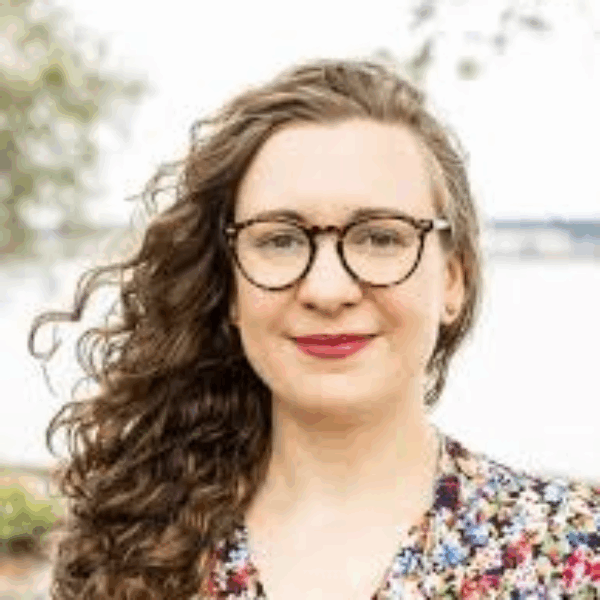
“In war, the world often measures losses in buildings and borders. At Teach for Ukraine, we measure them in disrupted childhoods. Restoring education is our way of saying to every child that their dignity, their dreams, and their fundamental human right to learn remain non-negotiable.”
Natalia is a global programs and operations executive with over a decade of experience designing and managing complex, multicultural initiatives that empower communities, develop individual leaders, and drive sustainable impact worldwide. From launching educational leadership programs in conflict zones to fostering resilience in underserved communities, her work spans Southeast and Central Asia, Eastern Europe, the Caucasus, and the Middle East — always guided by a deep commitment to cultural awareness, equity, diversity, and inclusion. Having spearheaded trust-based grantmaking in Myanmar during a coup and built partnerships in Ghana to advance climate finance, Natalia thrives at the intersection of strategy, innovation, and human-centered leadership. Most recently, as Deputy Director at the foreign policy think tank, Atlantic Council, in Washington, DC, Natalia led operational management, program design, and business development for the flagship Millennium Fellowship and several other leadership programs aimed at empowering the next generation of global leaders and changemakers through experiential learning, cross-cultural dialogue, and mentorship. Previously, she managed a wide range of global programs such as the Young Southeast Asian Leaders Initiative Seeds for the Future and the Muskie Professional Fellowship Program. A Fulbright Scholar, Natalia earned her second master’s degree in Comparative and International Development Education from the University of Minnesota, where she co-founded the Youth Leadership Engagement and Development Exchange Program between Minnesota and Ukraine. She is also proud to hold a master’s degree in Ukrainian Language and Literature from Crimean Engineering and Pedagogical University — the only higher education institution established by Crimea’s indigenous community, the Crimean Tatars.
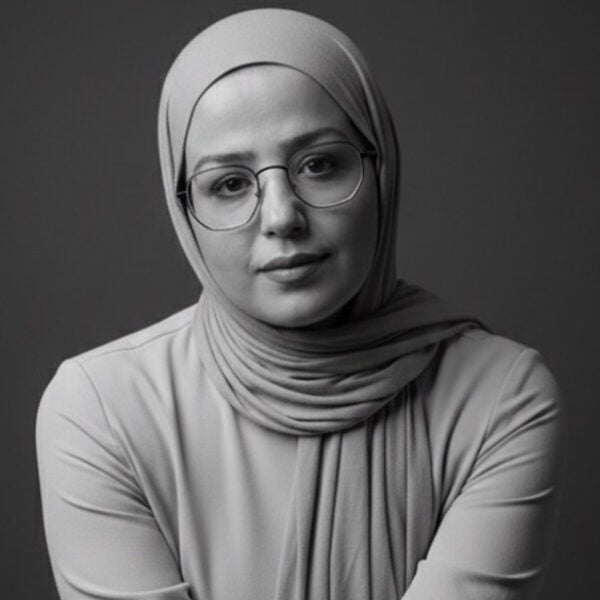
“The current erosion of human rights dims hope and weakens our faith in humanity. Yet women defenders keep humanity standing—and they are targeted precisely because they are its backbone. If we want to protect humanity, we must protect them. Stand with women human rights defenders everywhere.”
Kawkab al-Thaibani is a Yemeni strategist, Senior Researcher, and expert specializing in gender, peacebuilding, human rights, and sustainable development in Yemen and the MENA region. Her expertise spans policy analysis, training and mentorship, gender assessments, and field research, with collaborations including UNDP and UN Women. Her research has been published in international outlets, including the International Studies Review (Oxford University Press). She is the founder of two grassroots organizations dedicated to peacebuilding and women’s empowerment: the She4Society Initiative and the Women4Yemen Network. Recognized for her political leadership, she has received multiple awards, including being selected in 2022 by Vital Voices as one of 30 women political leaders globally. In 2019, she was also named one of the Women of War by the TRT World Research Centre.
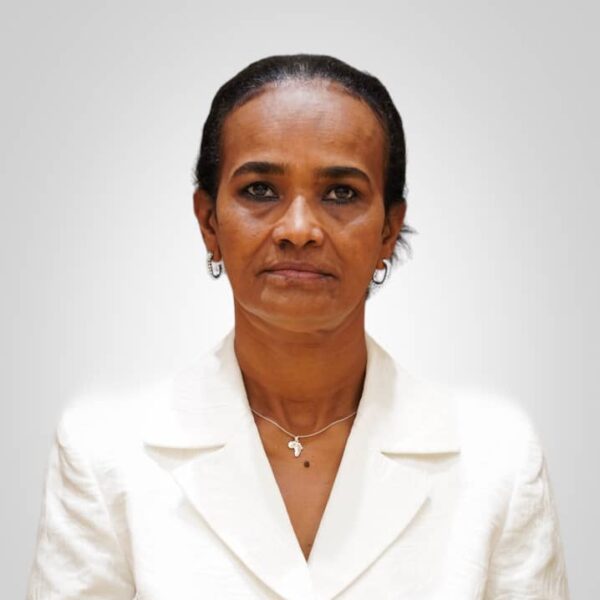
“We, the women human rights defenders in Sudan, cry out from the depths of hell. War has turned our bodies into a stage for killing, rape and displacement, yet we continue to resist and fight to stop the war. We work with patience, steadfastness and courage, demonstrating a legendary resilience that history will record. Hear our voices, if you do not hear our cries, we will build peace through our solidarity and support of all peace-loving people.”
Tahani Abbas Ali is a feminist activist, human rights defender, and peace mediator. She is the Director of the Nora Organization for Combating Violence against Women and Girls and is also the Secretary General of the No to Women’s Oppression Initiative. She is a board member of the Regional Alliance for Women Human Rights Defenders in the MENA region, a member of the Sudanese women’s delegation participating in the Sudan peace talks in Geneva, and a member of several women’s groups and civil society organizations.
“Human Trafficking is a global problem. We’re talking about human beings that are being forced to work without pay, abused, but worse is that children are part of the exploitation. Slavery was abolished in 1865 in the U.S, but we have more people stuck in modern-day slavery now than ever.”
Evelyn Chumbow is the Advocacy and Survivor Leadership Director at the Human Trafficking Legal Center. She is a survivor of child labor trafficking, and she has since become an anti-trafficking activist and public speaker. Chumbow was brought to the United States from Cameroon at age 9 and forced to cook, clean, and care for her trafficker’s children. After years of captivity, she finally escaped, and her trafficker was sentenced to 17 years in prison. Today, Chumbow works tirelessly to raise awareness and advocate for other survivors. Chumbow serves as an advisor to human trafficking NGOs. She currently serves on the Board of Directors for Free the Slaves. From 2015 to 2022, she worked at the law firm of Baker & McKenzie LLP in Washington, DC, where she supported human trafficking and human rights-related pro bono initiatives.
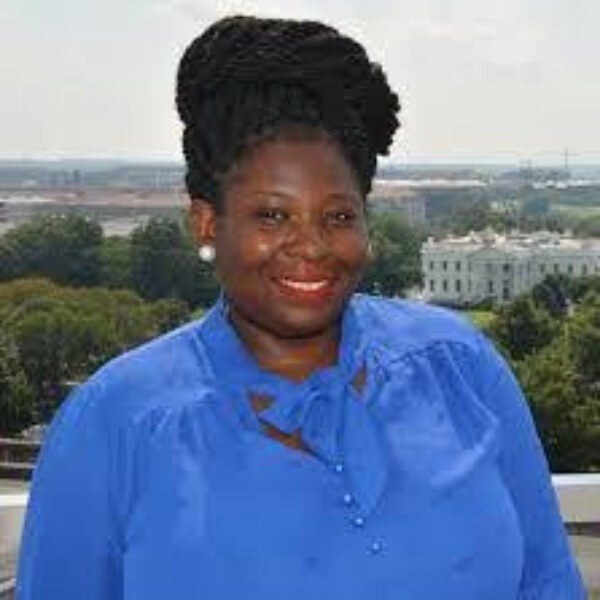
“Las mujeres defensoras de derechos humanos en todos los rincones de Colombia defendemos la vida, la tierra, el territorio, la naturaleza y buscamos construir paz territorial. Luchamos diariamente por lograr transformaciones profundas en nuestra sociedad desigual, empobrecida, violenta y patriarcal. Todo esto en medio de un 1) conflicto político social y armado de más de 60 años 2) la avanzada del crimen organizado, 3) la creciente imposición de megaproyectos y 4) una permanente impunidad sobre las agresiones así como un bajo compromiso del Estado colombiano por proteger a quienes defienden derechos.
Defender los derechos humanos en Colombia, trae graves riesgos. En nuestro país cada dos días se asesina a una persona defensora. Pese a este contexto adverso, no nos rendimos, sino, que nos unimos, para crear formas propias de cuidado de la vida y autoprotección; para sumar nuestras voces y romper el silencio institucional alrededor de los ataques y los responsables; y exigir al Estado colombiano, el derecho a defender derechos, como actividad legítima, legal y de aporte a la democracia. Por ello gritamos ¡Que la Defensa de Derechos No Nos Cueste la Vida!”
Astrid Torres Ramírez, a human rights defender with over two decades of experience in civil society organizations. She has worked at the Sumapaz Foundation (2001–2011), the Semillas de Libertad Human Rights Collective (2003–2010), and the Corporación Jurídica Libertad (2015–2023), where she served as a researcher and professional within teams focused on guarantees for human rights defense, peacebuilding, and advocacy at national and international levels. Since January 2024, she has been the Program Coordinator of Somos Defensores.
Looking for ways to support women human rights defenders? Global Defenders Collective is connecting volunteers with human rights defenders worldwide. Learn more here: https://www.global-defenders.org/about
Explore More
End of Year Reflections
This year has been particularly challenging for peace around the world, with…
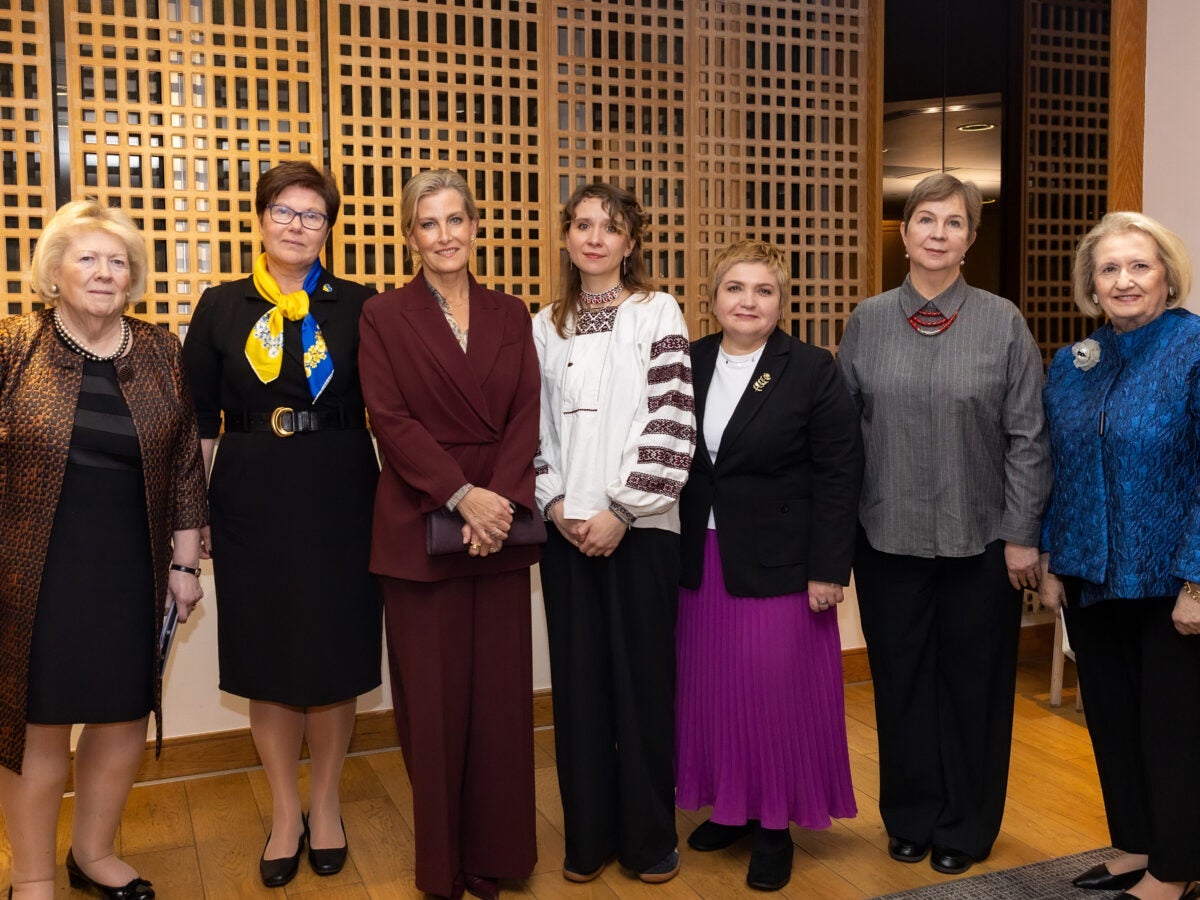
“No Amnesty, No Silence:” Ukrainian Women Urge Accountability for War-Time Sexual Violence
Last week, the Georgetown Institute for Women, Peace and Security (GIWPS) brought…