Statement from Sudanese Women Leaders on the Situation in Al-Fashir, Sudan

We, Sudanese women peacebuilders and human rights defenders, are appalled by the catastrophic escalation of violence in Al-Fashir, which amounts to mass atrocities and shows clear risks of genocide due to the large-scale, deliberate attacks on civilians that are taking place. The United Nations Secretary General has continued to sound the alarm over the deteriorating humanitarian situation for civilians who have been trapped in the city for more than 500 days.
Widespread starvation and blocked humanitarian access paint a devastating picture of a population left to endure unimaginable hardship in silence. Women face rampant sexual violence as a tactic of war, preventing them from escaping the siege conditions to seek food, water, or safety. In Al-Fashir and other besieged areas, the collapse of health systems, and attacks in displacement camps, have left women giving birth in unsafe, unhygienic conditions. Maternal mortality has risen sharply, and emergency reproductive care remains virtually non-existent. The only major maternity hospital in Al-Fashir was attacked 18 times since the beginning of the war in April 2023, with medical staff and women waiting for delivery being killed in hospital wards. UN Women warned that violations against women and girls must be recognized as grave breaches of international law. Hundreds of cases of abduction and enforced disappearance of women and children by the Rapid Support Forces (RSF) and affiliated militia in and around Al-Fashir have been reported. These cases are not isolated incidents, but part of an intentional policy to terrorize civilians. Moreover, a report by Doctors without Borders called on warring parties to halt ethnically targeted violence as witnesses reported RSF soldiers speaking of plans to “clean Al-Fashir of non-Arab people”. Sudanese women and women-led organizations continue to make statements and share evidence about these crimes and the horrendous situation facing women in Al-Fashir.
We must also draw attention to the dire situation in South Kordofan and Nuba mountains, where women face sexual violence and ethnic targeting. Kadugli and Delinj cities in South Kordofan are under siege and starvation is being used as a weapon of war. The food insecurity crisis has escalated to an extent that many are turning to weeds and wild plants to survive.
We call on all parties to the conflict to cease hostilities, respect international humanitarian and human rights law, and allow unhindered humanitarian access to reach those in desperate need. We urge the international community to act with urgency to protect civilians, ensure accountability for atrocities, and amplify the voices of Sudanese women who have long been on the frontlines of peacebuilding.
We demand the allocation of resources and humanitarian aid to the Darfur region and ensure that women have access to information about aid and the decision-making process. We also call for the immediate and unconditional release of all individuals who were forcibly disappeared, along with their return to their families. Finally, all external interference in the conflict must stop, including supplying weapons, in line with the arms embargo in Darfur. Our message is clear: the suffering in Al-Fashir and other parts of Sudan cannot be ignored, and the lives of women, children, and men must be protected now.
Explore More
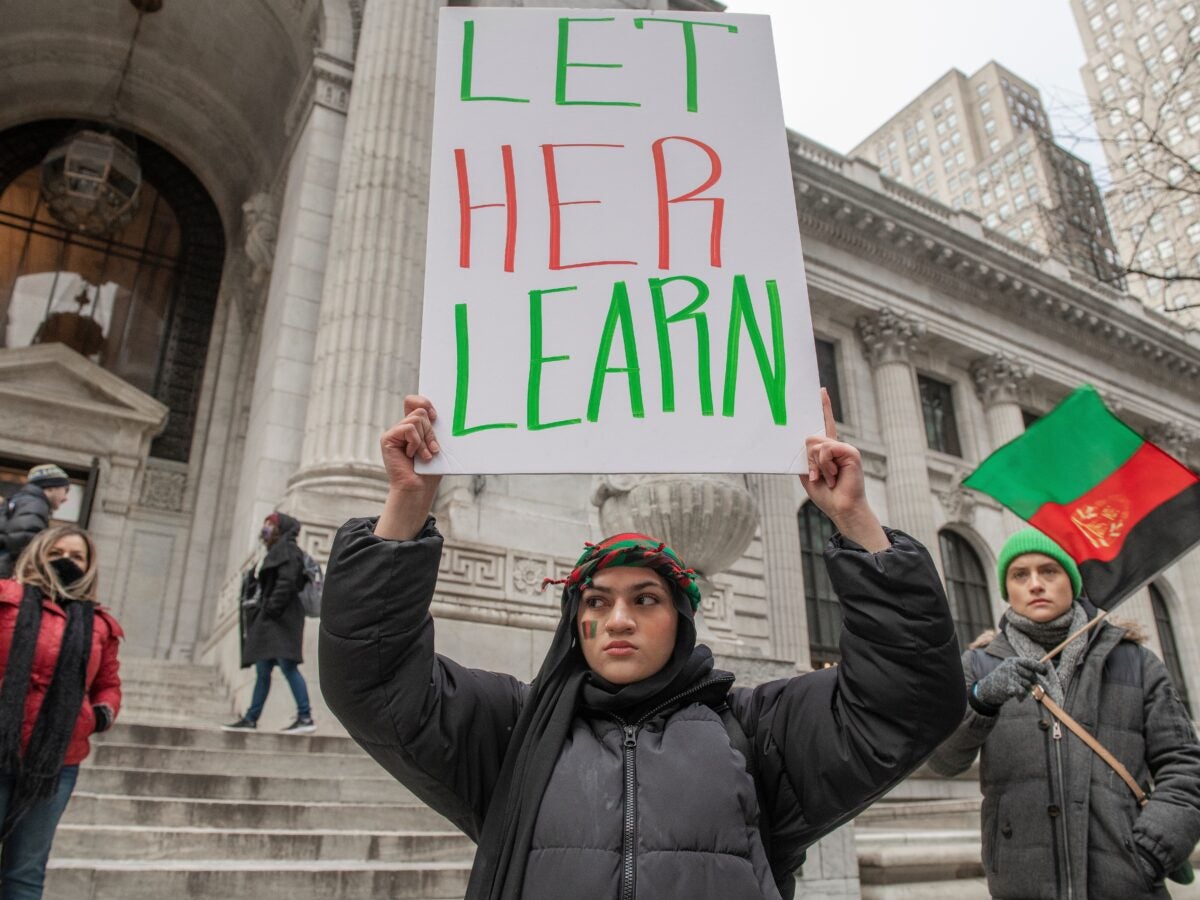
The Architecture of Oppression: Five Years of Taliban Rule
Today marks five dark years since the Taliban forcefully took power in…
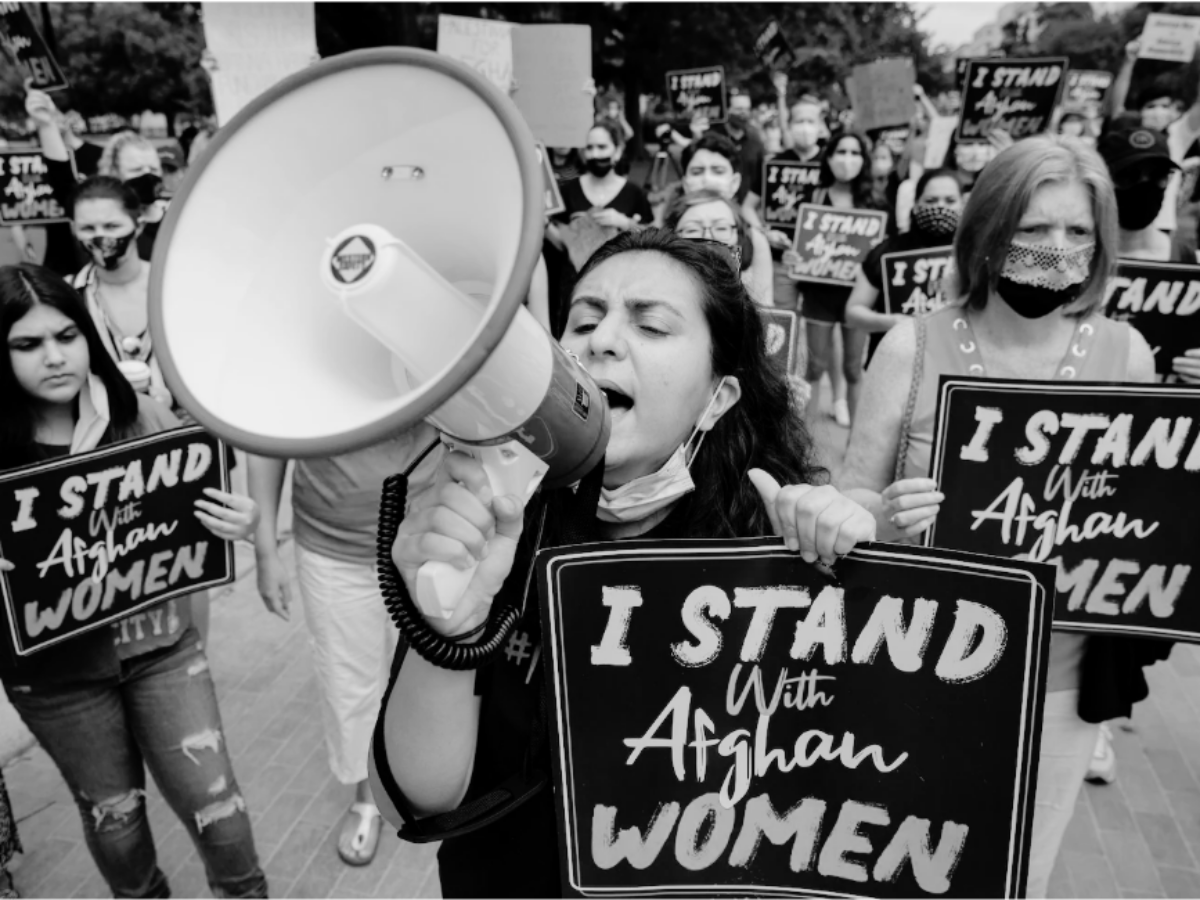
Five Years On: Afghan Women Fight for Freedom
Five years ago, the Taliban took back control of Afghanistan. Since then,…
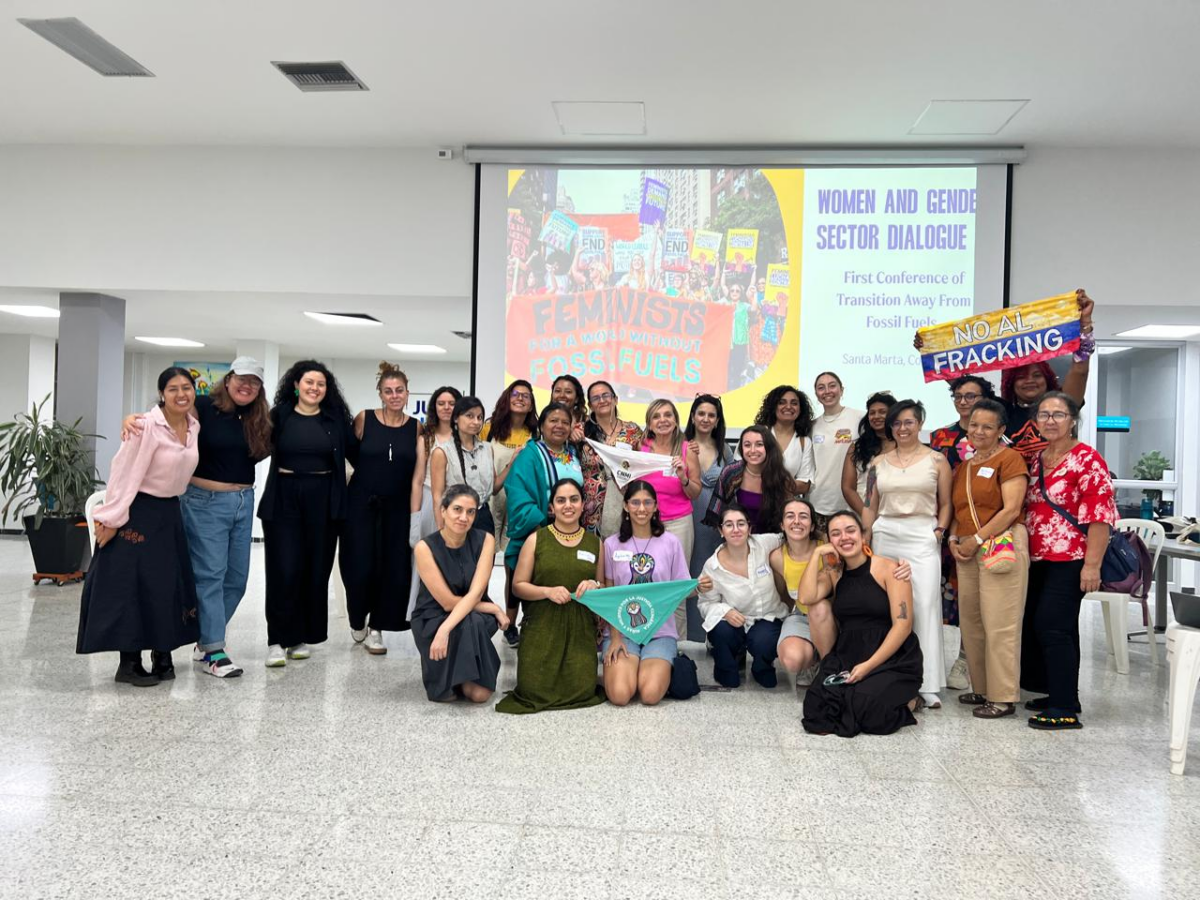
Protecting Women Environmental Defenders: Lessons from Colombia
For women environmental defenders, protecting the environment is inseparable from peacebuilding, protecting…