Reassessing Bangladesh’s National Election 2026

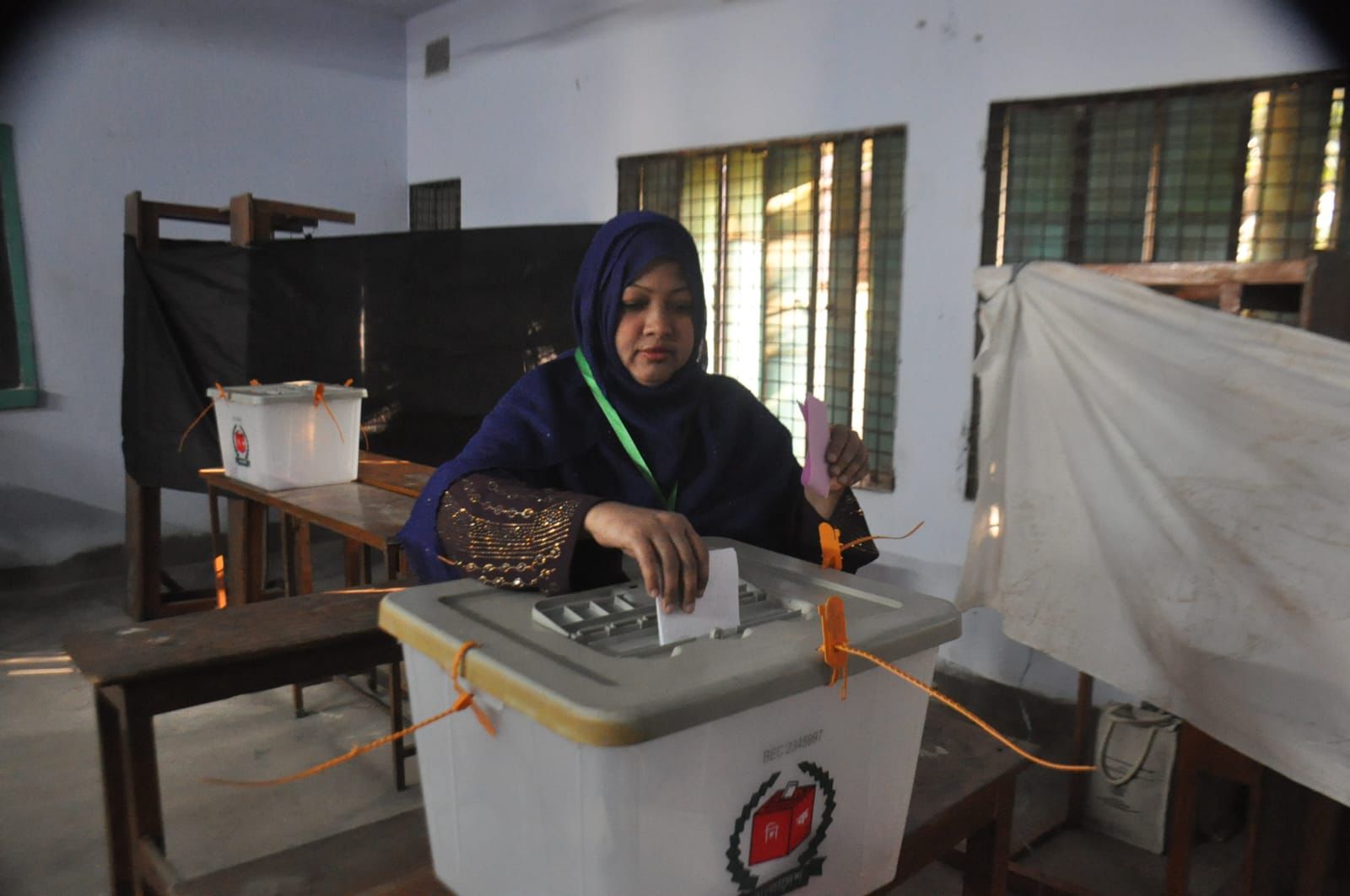
The Constitutional Referendum and General Election held on 12 February 2026 was mostly fair and peaceful, which marked a milestone in Bangladesh’s democratic transition. 65% of the nation turned out to vote, electing Tarique Rahman in the country’s first election since a student-led movement ousted Sheikh Hasina in 2024.
The right to cast a vote had been undermined in the past. This time, however, people were far more enthusiastic and engaged. Witnessing such spontaneous participation in the election made me emotional, as it reminded me of our July journey and the struggles we endured to ensure a fundamental democratic responsibility: the right to vote.
Bangladesh’s Democratic Transition
The interim government, under the leadership of Dr. Mohammad Yunus, oversaw the process with a stated commitment to stability, transparency, and institutional continuity. Despite this progress, several challenges remain regarding the future of the nation’s democratic transition in Bangladesh. Strengthening internal party capacity and fostering a democratic culture within political organizations will be essential. Moreover, the effective implementation of referendum outcomes presents an important governance responsibility for the newly constituted government.
Reform Commissions
As part of the broader democratic transition process, the interim government established eleven Reform Commissions to review and propose institutional and governance reforms. While certain recommendations have received formal consent, most remain under consideration or have been ignored. The degree to which these reform proposals are implemented will serve as a critical indicator of the government’s commitment to consensus-based and participatory governance.
For example, we are yet to guarantee and safeguard the transparency, accountability and autonomy of the constitutional institutions including the Anti Corruption Commission and Election Commission. While leadership positions may have changed, previous institutional fascism culture and partisan practices largely persist. We urge the dismantling of all forms of fascism through reconstruction and reform.
Ultimately, the implementation of the Consensus Commission’s recommendations will be central to building and sustaining public trust. The response of youth and the wider population will depend largely on how inclusively and effectively these reforms are translated into practice, ensuring that democratic aspirations are realized in a substantive and participatory manner.
The Role of Women in Bangladesh’s Democracy
Women have always played prominent, indispensable and unwavering valiant roles in every significant historical movement in Bangladesh, including the July Mass Uprising where they defiantly spearheaded the protests to topple the authoritarian regime. However, despite their sacrifices and sustained engagement, women continue to face structural marginalization within formal political institutions. Their presence in party structures and electoral politics often remains symbolic, with a very limited substantive representation in nominations and decision-making positions.
Women remain underrepresented in general electoral seats, and fair and inclusive nomination processes have not been consistently ensured. Prevailing narratives questioning women’s policy-making capacity continue to reinforce entrenched patriarchal attitudes within party politics. Additionally, coalition dynamics and electoral strategies have, at times, diluted commitments to women’s political empowerment.
The Women Affairs Commission can play an essential role in advancing gender equality, promoting institutional reform, and safeguarding women’s rights, despite facing criticism from some political actors.
If women’s meaningful participation is not adequately ensured, they may once again feel compelled to assert their constitutional rights. In such circumstances, broader segments of society could also mobilize to advocate for justice, equality, and inclusive representation through lawful and democratic means.

Tanjina Tammim Hapsa was a central coordinator of the July Uprising Movement. She accepted the 2025 Hillary Rodham Clinton Award from GIWPS on behalf of women student leaders in Bangladesh
Explore More
A World in Transition: Helen Clark on the State of the World
This week, the Georgetown Institute for Women, Peace and Security welcomed the…

Women, Peace and Security Conflict Tracker: September Updates
Our Women, Peace and Security Conflict Tracker combines real-time data points and…