Where Are the Women?

This year, International Women’s Day came and went in a world marked by new and proliferating conflict, rising military spending, resurgent authoritarianism, and shrinking civic space. Yet, as the loud cries of the world’s crises shatter the peace, a familiar silencing persists: women’s voices remain excluded from the negotiating tables.
The question is not whether women are on the front lines of these crises. They are. The question is why they remain absent from the chambers of diplomacy where peace is brokered, and how much longer the world can afford to proceed without them. In 2024, UN Women reported that women made up only seven percent of negotiators. This figure is staggering, especially 25 years after the adoption of UN Security Council Resolution 1325 on women, peace and security, and illustrates that international diplomacy still proceeds without women at the table.
Today that absence is consequential in the prevention of conflict and in peace negotiations. It means that these particular global conversations will continue to misunderstand the nature of conflict prevention and to misjudge what sustainable peace requires.
As Margot Wallström has observed, “it is more dangerous to be a woman fetching water in conflict zones than a soldier in the battlefield.”
Women’s bodies are not the only battlegrounds of conflict; their minds are battlegrounds too. Weapons are not the only tools of war. That reality gives force to the question: “What is it about a girl with a book that so frightens a man with a gun?” The UN Security Council Resolution 2601 on safe schools in conflict and the Safe Schools Declaration condemn attacks on schools and their infrastructure, the use of schools for military purposes, and the abduction of schoolgirls.
Gender-based violence in conflict is not limited to armed attacks. While the face of poverty is often that of a woman, feminization of food insecurity, environmental harm, weaponization of technology, and displacement are not incidental to war; they are part of its arsenal. Women remain dramatically underrepresented in formal diplomatic processes. An international system that sidelines women in negotiations and governance is not only unjust, but it is also less credible, less perceptive, and less capable of preventing conflict. When women participate, peace is more likely to endure. The Northern Ireland Good Friday Agreement is a case in point.
Impunity for conflict-related sexual violence is often referred to as history’s greatest shame. Despite some progress in the law, accountability remains elusive for women victims and survivors. Sexual violence in conflict is recognized under international criminal law as a war crime, a crime against humanity, and, in some cases, an act of genocide. The root causes of conflict-related gender-based violence reveal the need for collective due diligence obligations by both state and non-state actors.
To that end, the Treaty on the Non-Proliferation of Nuclear Weapons broke new ground by recognizing the disproportionate impact of radiation on women and girls and affirming that women’s effective participation in nuclear disarmament is essential to peace and security. The Arms Trade Treaty requires exporting states to assess the risk that weapons could be used to commit or facilitate serious acts of gender-based violence. Section 1502 of the Dodd-Frank Act recognized the correlation between the extractive industry and conflict-related sexual violence by requiring SEC-registered companies to disclose if their products contain “3TG” minerals (tantalum, tin, tungsten, gold) sourced from the Democratic Republic of the Congo or surrounding countries. The recent Addendum to Recommendation No. 30 by the UN Committee on the Convention on the Elimination of Discrimination against Women (CEDAW) underscores emerging threats to women’s peace and security and recommits to multilateralism, and reaffirms access to justice through survivor-centered, trauma-informed justice systems, material and moral reparations, and the preservation of historical memory.
Feminist foreign policy begins from the premise that international affairs cannot continue to be organized around a model of security that is military in instinct and masculine in structure. By placing gender equality at the center of diplomacy, justice, and security policy, it asks governments to confront not only women’s exclusion from power but also how exclusion shapes the priorities, limitations, and failures of the international order itself.
So, where are the women? They are on the front lines of conflict, sustaining communities, demanding justice, and rebuilding what war destroys. They are witnesses, survivors, investigators, first-responders, and advocates. They are not absent from the realities of war. They are absent from the rooms waging them. The modern security architecture was built to speak the language of power. It struggles to hear the voices of women. For 2026, let us be clear: women’s security is not peripheral to peace, but central to it; gender violence in conflict is not incidental, but strategic; and women’s participation is not aspirational, but essential.
The present moment—when international institutions are being tested and, in important respects, recalibrated—paves the way to not only address new pressures but to confront old failures. The opportunity should be seized to place gender perspectives at the heart of foreign policy, recognizing women not only as victims of war but as actors in shaping the legal, diplomatic, economic, and institutional frameworks through which peace is pursued.
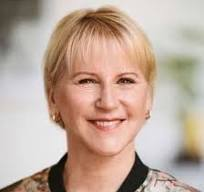
Margot Wallström is a former UN Under Secretary General and the first Special Adviser to the UN Secretary General on Sexual Violence in Armed Conflict. She was the former Minister of Foreign Affairs, Sweden and the architect of Feminist Foreign Policy.
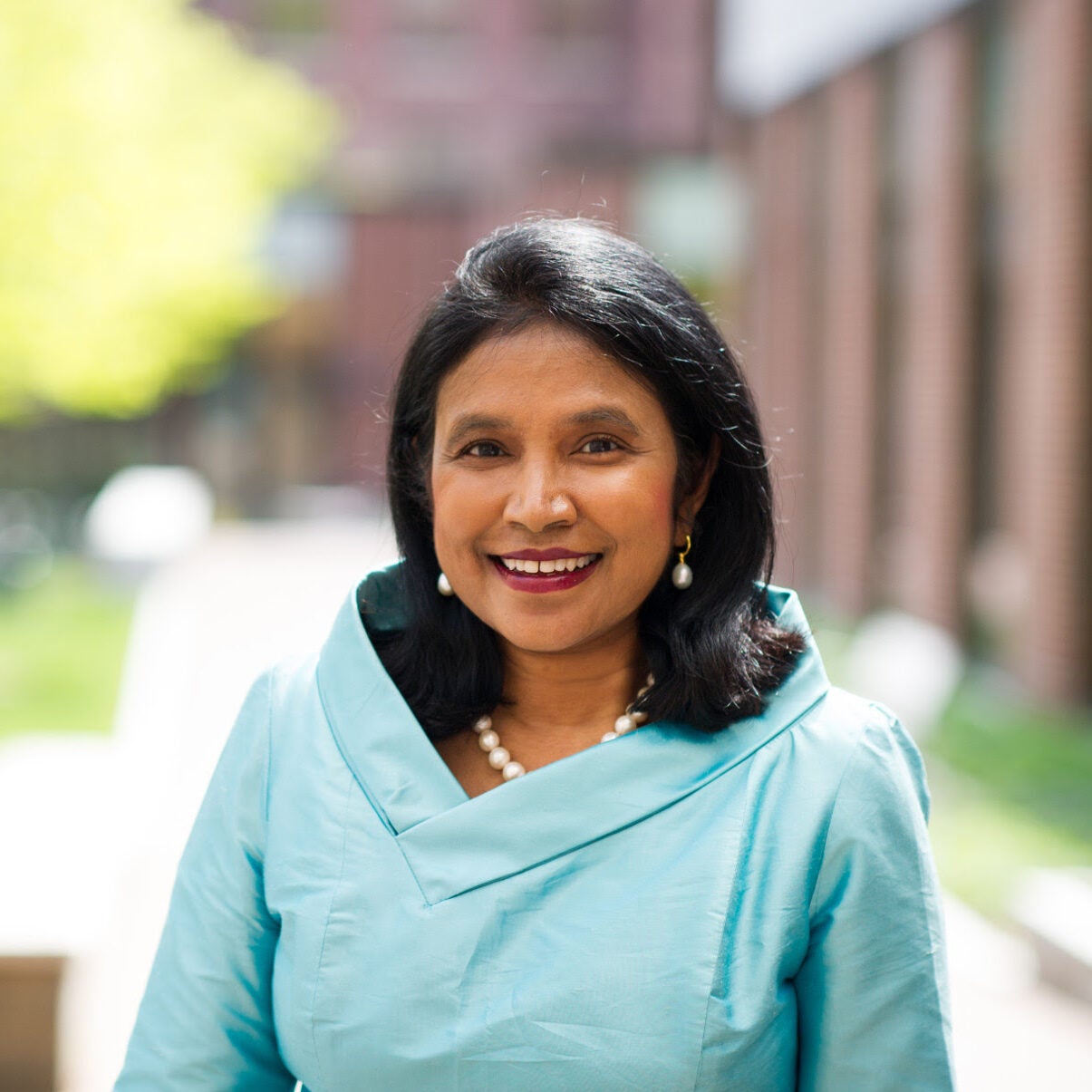
Rangita de Silva de Alwis, is a professor at the University of Pennsylvania Law School and the Rapporteur of the UN CEDAW’s Addendum to Women in Conflict Prevention, in Conflict, and in Post Conflict.
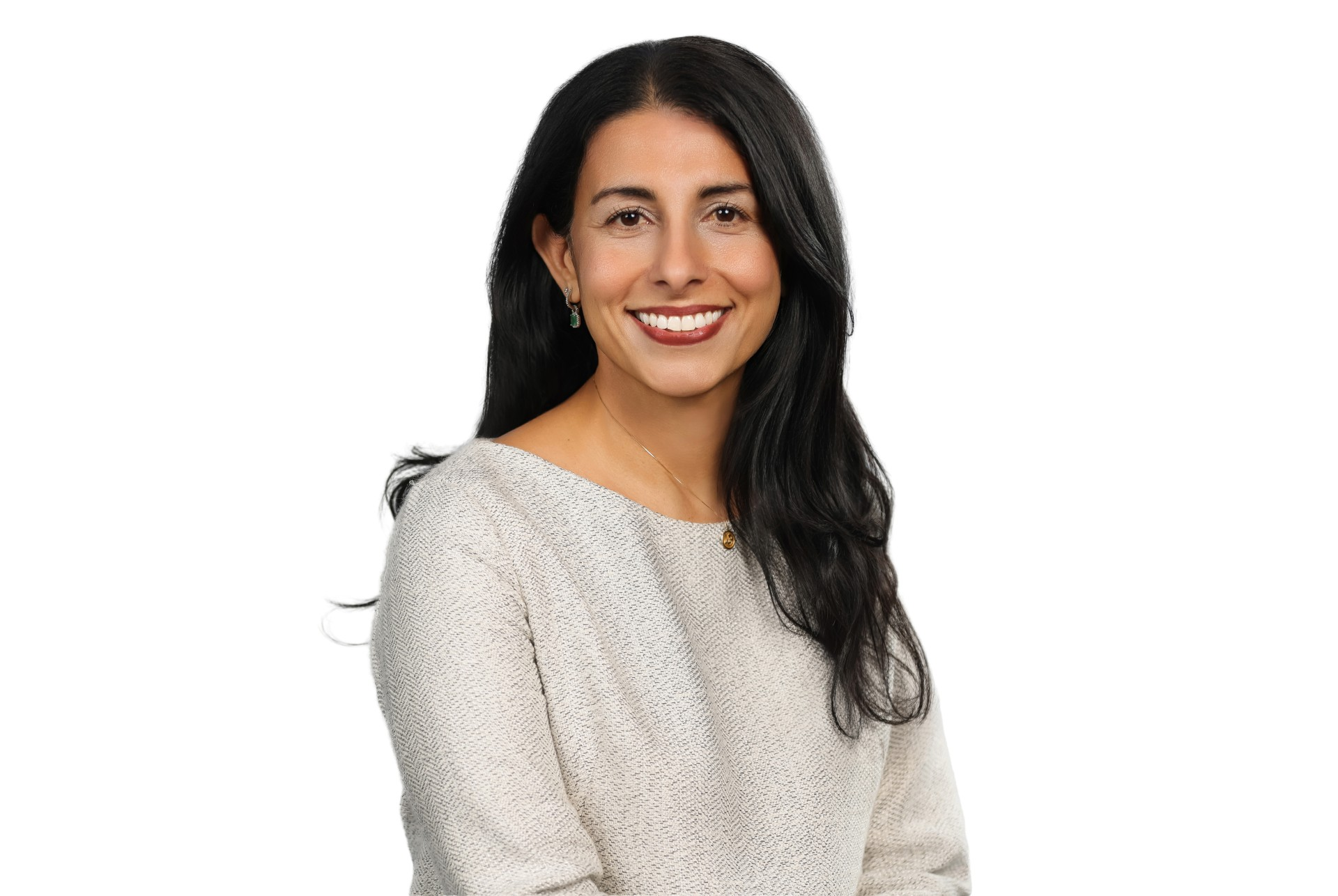
Catherine Amirfar is a Partner and Co-Chair of the International Dispute Resolution Group and the Public International Law Group at Debevoise & Plimpton. She formerly served as the Counselor on International Law to the Legal Adviser at the U.S. Department of State.
Explore More
Women’s Empowerment Takes a Back Seat as Philippines Peace Process Unravels
It has been a grim decade for the UN Security Council’s “Women,…

Gendered Risks in Lebanon
Lebanon is facing a convergence of security, political, and humanitarian pressures—and women…