Gendered Risks in Lebanon

Lebanon is facing a convergence of security, political, and humanitarian pressures—and women and girls are bearing the brunt. Our Women, Peace and Security (WPS) Conflict Tracker March 2026 update highlights how escalating hostilities are compounding gendered risks across the country.
In southern Lebanon, Israeli airstrikes and escalating cross-border hostilities with Hezbollah are driving civilian casualties and raising concerns about prolonged military presence and territorial control by Israeli forces. Over 1,000 people have been killed in Lebanon, and the conflict is taking a severe toll on children, with the equivalent of a classroom killed or injured each day. These dynamics strain already fragile governance and protection systems, restricting women’s access to services and participation while heightening exposure to gender-based violence.
Israeli evacuation orders and ongoing violence continue to drive widespread displacement and deepen humanitarian strain. Nearly one in five people in Lebanon have been displaced following recent escalation. Displacement—compounded by reports that Israel is using white phosphorus in attacks on Lebanon—is disrupting livelihoods, mobility, and access to education. This burden falls disproportionately on women and girls, raising risks of early marriage, exploitation, and violence.
Attacks on civilian infrastructure are further intensifying these pressures. Damage to healthcare facilities has severely constrained access to essential and reproductive healthcare—including disruptions across nearly 48 primary health centers. In overcrowded shelters, where women comprise more than half of residents, inadequate sanitation, privacy, and lighting are increasing exposure to violence and health risks.
The deteriorating security situation is unfolding amid a shrinking civic space. Recent prosecutions of artists and activists under defamation and blasphemy laws—combined with gendered online harassment targeting women—are constraining public participation and limiting avenues for advocacy. Political developments are also closing off opportunities for women’s inclusion. The delay of parliamentary elections by two years has undercut what could have been an opening to advance women’s political participation, including proposed quota reforms that may have increased representation beyond the current 8 out of 128 seats held by women.
The implications are clear: Lebanon illustrates how conflict spillover reinforces gendered insecurity—eroding protection systems, increasing exposure to violence, constraining women’s participation, and deepening existing inequalities. While international actors have taken steps to contain escalation, these efforts have thus far proven insufficient to prevent the deepening of violence and instability. Still, women—through groups such as Women’s Peacebuilding Network in Lebanon—are sustaining local peacebuilding and crisis response efforts, underscoring their essential roles in pathways to stability.
Explore More
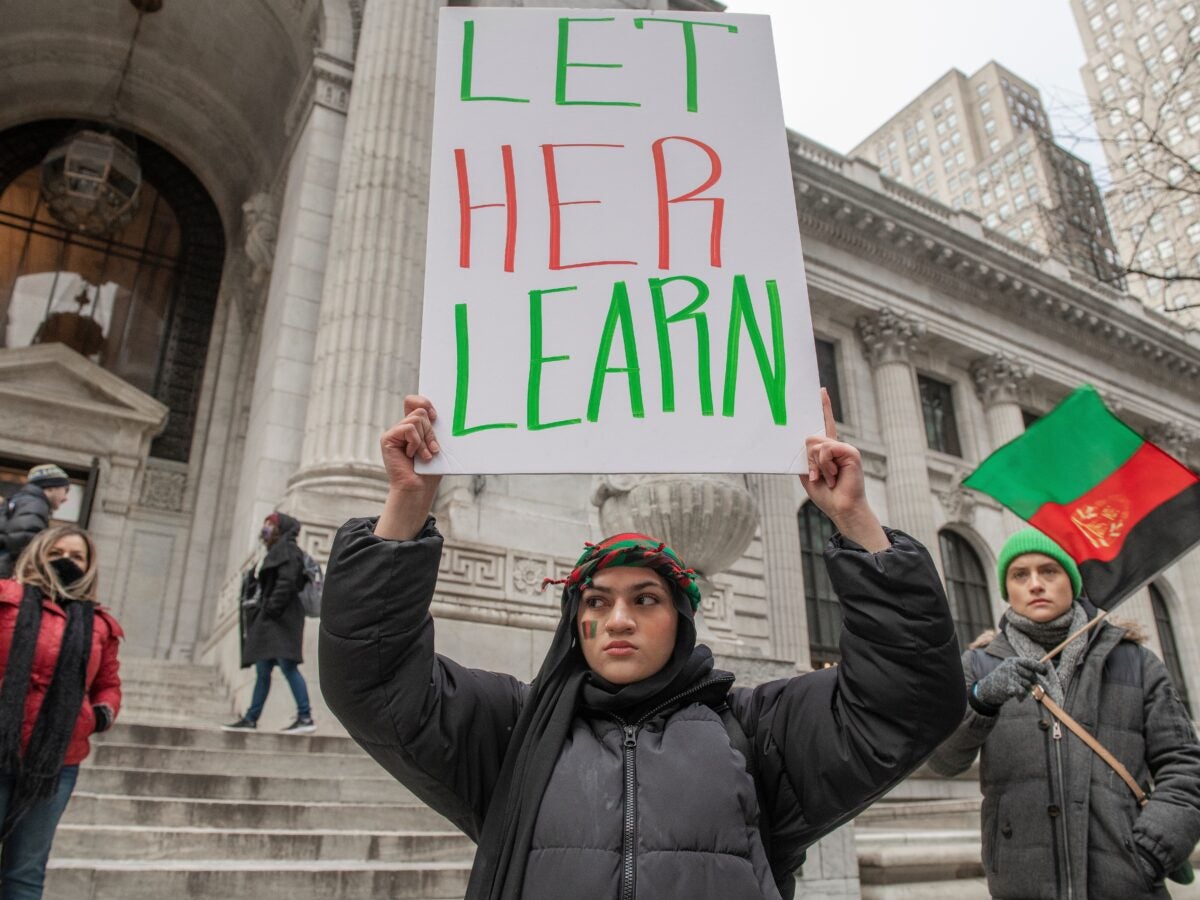
The Architecture of Oppression: Five Years of Taliban Rule
Today marks five dark years since the Taliban forcefully took power in…
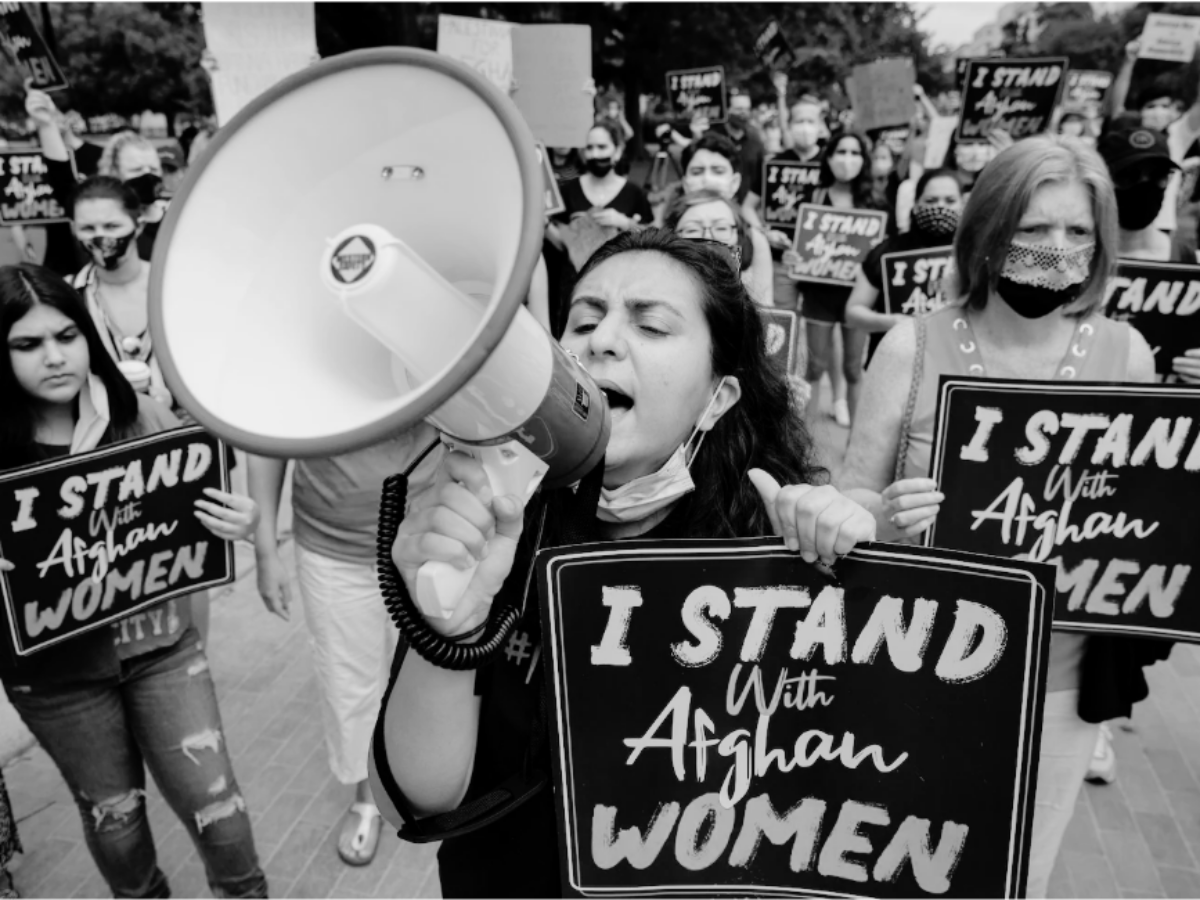
Five Years On: Afghan Women Fight for Freedom
Five years ago, the Taliban took back control of Afghanistan. Since then,…
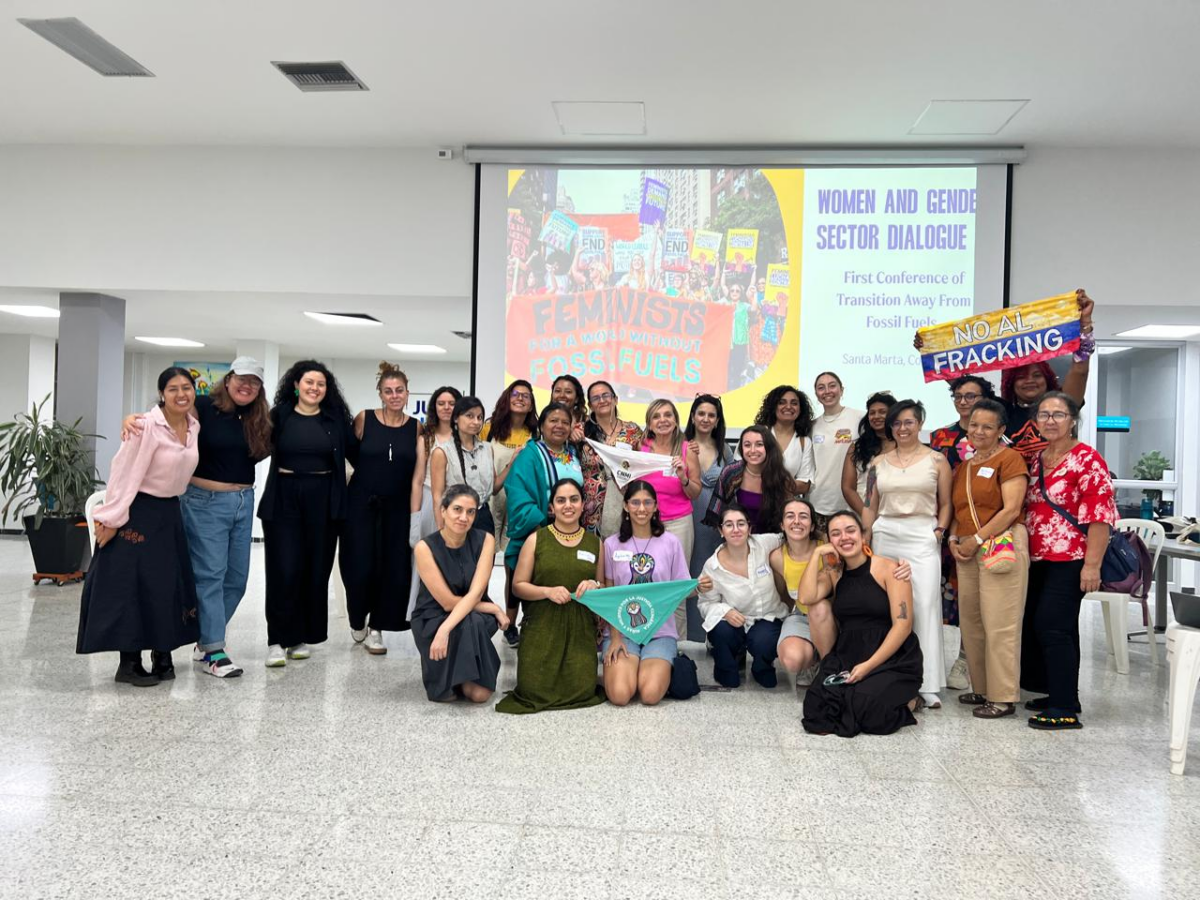
Protecting Women Environmental Defenders: Lessons from Colombia
For women environmental defenders, protecting the environment is inseparable from peacebuilding, protecting…