Gender and Armed Conflict: Overview Report

Abstract
Armed conflict negatively affects women and men and results in gender-specific disadvantages,
particularly for women, that are not always recognised or addressed by the mainstream, gender-blind
understandings of conflict and reconstruction. Gender inequality reflects power imbalances in social
structures that exist in pre-conflict periods and are exacerbated by armed conflict and its aftermath. The
acceptance of gender stereotypes is one of the main reasons that such gender blindness persists.
Citation
El Jack, Amani. Gender and Armed Conflict: Overview Report. Brighton: BRIDGE, 2003. Accessed October 30, 2016. http://www.bridge.ids.ac.uk/sites/bridge.ids.ac.uk/files/reports/CEP-Conflict-Report.pdf.
Explore More

Voices from the Margins: Lived Realities of Rural Afghan Women
Read Research
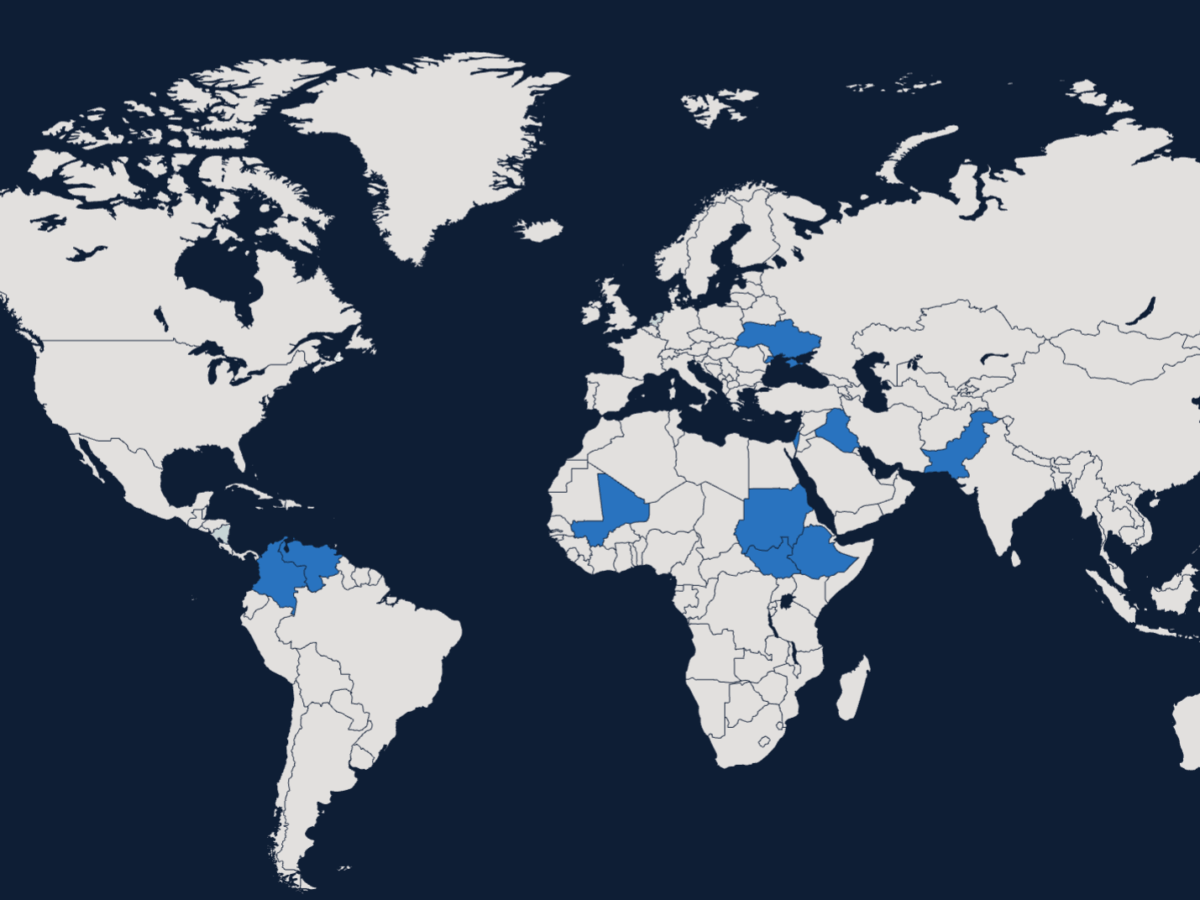
Conflicts and Trends to Watch in 2026
Read Research
Women, Peace, and Security Shadow Report to Congress: What Was Built, What…
Read Research