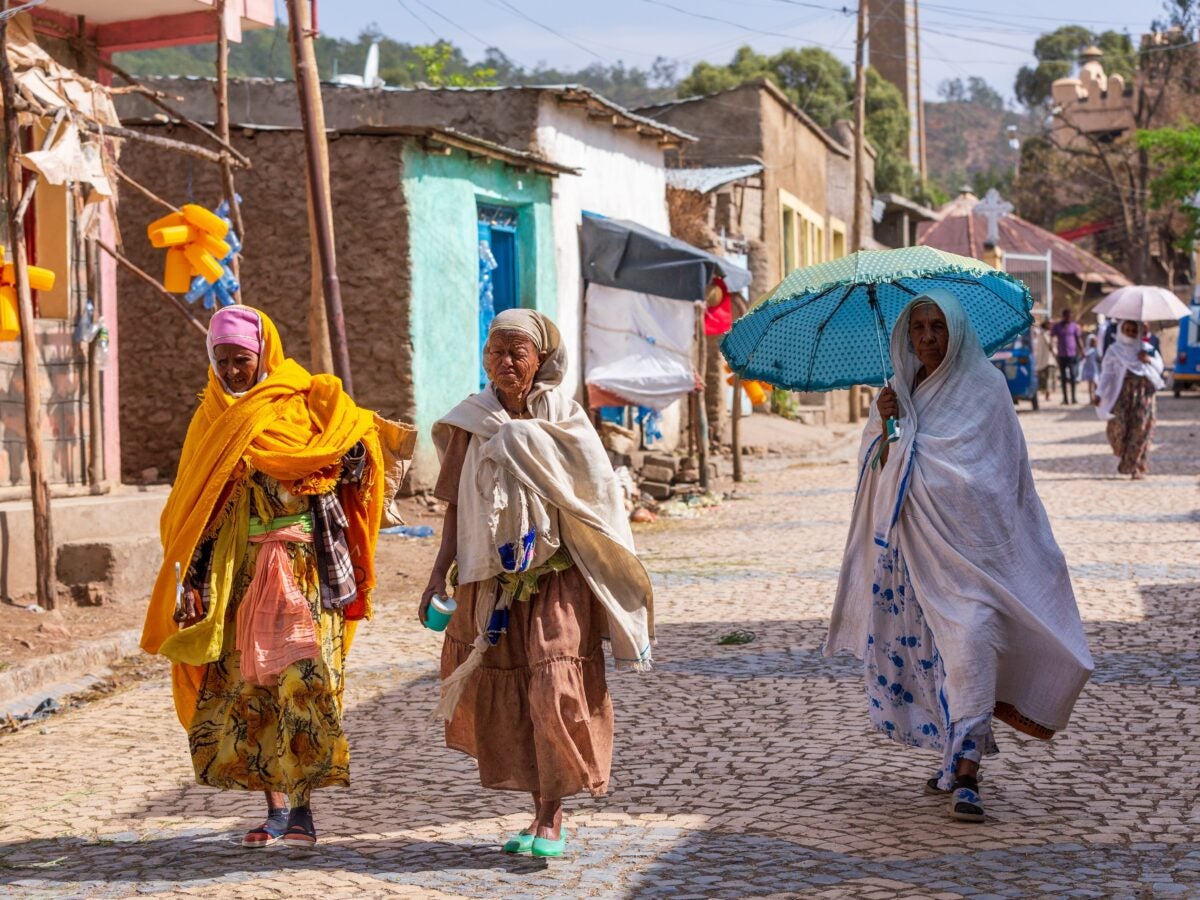
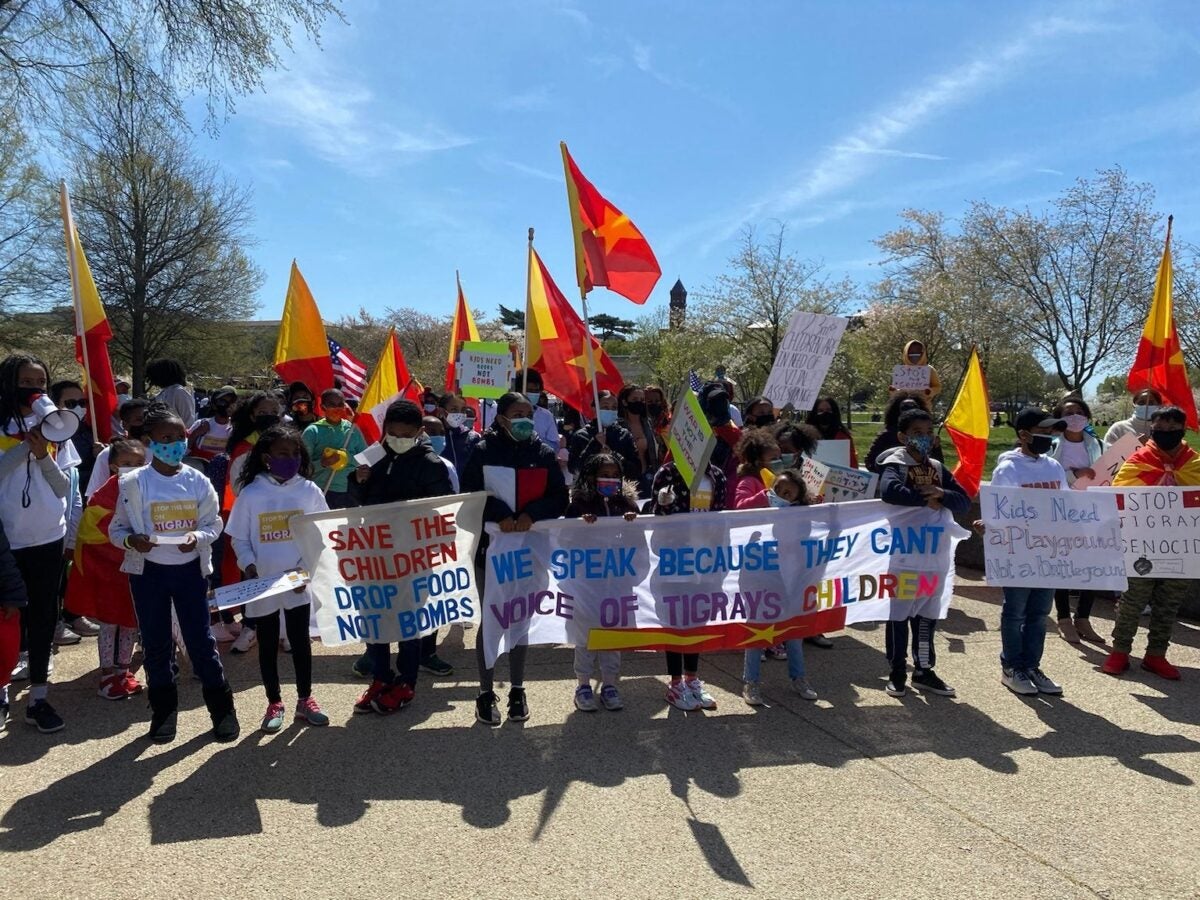
Women in Ethiopia face a complex web of interconnected risks stemming from simmering conflict, economic instability, and targeted repression. In Tigray, for instance, women and girls endured brutal sexual violence without adequate access to medical care, humanitarian assistance, psychosocial support, or justice. Survivors of conflict-related sexual violence struggle to obtain proper healthcare, leaving many to cope with lasting physical consequences, including injury, infection, infertility, and psychological trauma. The agricultural sector, where women comprise nearly half of the rural workforce, remains severely compromised as fields are too dangerous to farm, exacerbating food insecurity and economic vulnerability. Poverty forces many women to leave their homes, oftentimes to seek employment abroad under exploitative conditions with minimal legal protections. While Ethiopian women have historically demonstrated remarkable courage in leading grassroots movements—such as the 2019 #Yikono campaign against sexual harassment and demonstrations for food aid and peace in Tigray—they continue to face repression and harassment. Although novel accountability mechanisms are being pursued, including legal action against Meta for allegedly promoting content linked to human rights abuses during the Tigray war, an overall climate of impunity for crimes against women and girls continues.
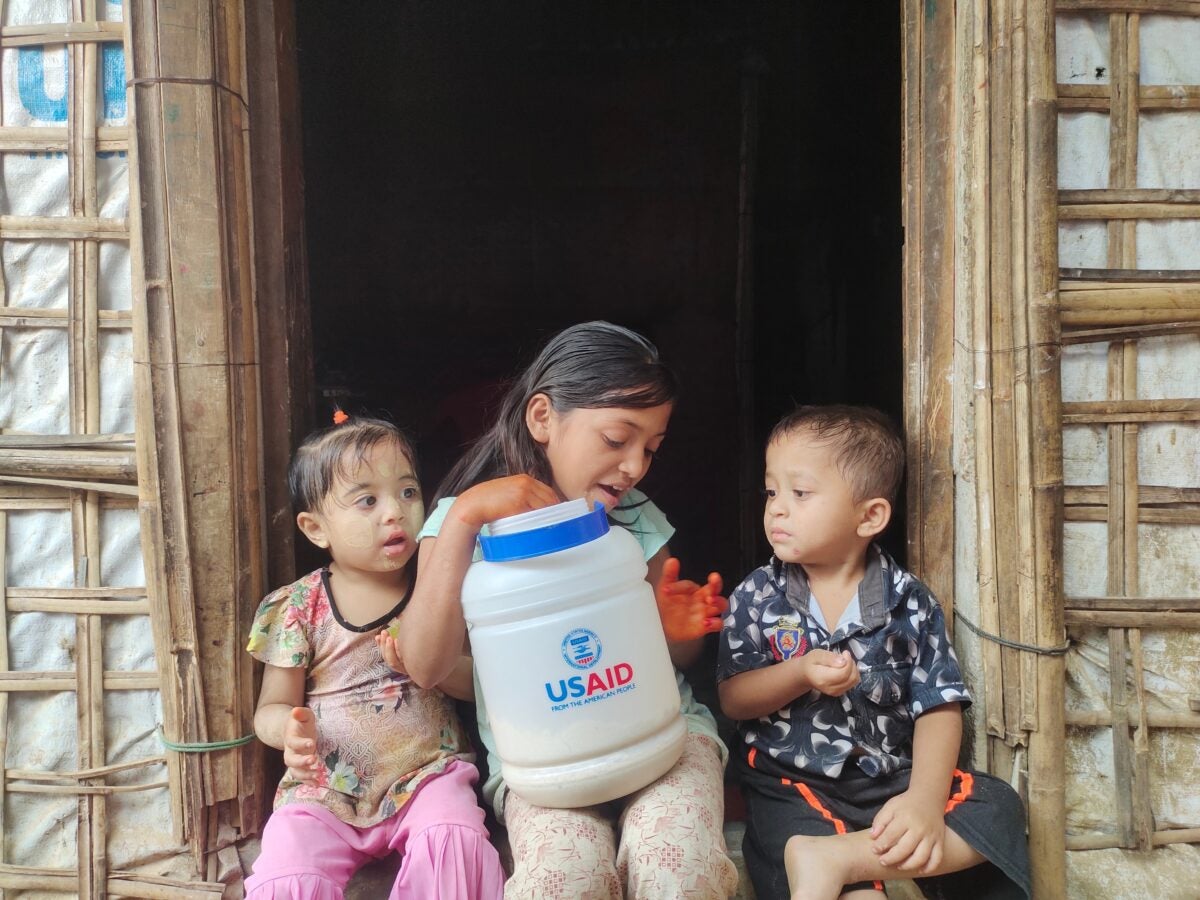
Stability in Ethiopia remains precarious, as mounting tensions—particularly between the national government and regional armed groups—raise the specter of full-scale conflict. The resumption of civil war would plunge women and girls who already face significant challenges to their security and daily survival into an even more dire scenario. Regional risks, including friction between Ethiopia and Eritrea as well as potential conflict spillover from Sudan, also remain poised to worsen. The full impact of US foreign aid cuts continues to take shape, with disease transmission and food security likely to increase due to insufficient funding. At least 85 percent of civil society organizations in Ethiopia have already paused operations due to US foreign aid cuts, eliminating programs providing sexual and reproductive healthcare, support for survivors of wartime sexual violence, and humanitarian aid. Despite these existential threats, women and girls continue advancing grassroots advocacy and response—for instance, running safe houses for survivors of conflict-related sexual violence, which provide psychological support, shelter, medical care, counseling, and vocational training. In the absence of foreign aid or large-scale recovery efforts, these initiatives offer vital services to women and girls.