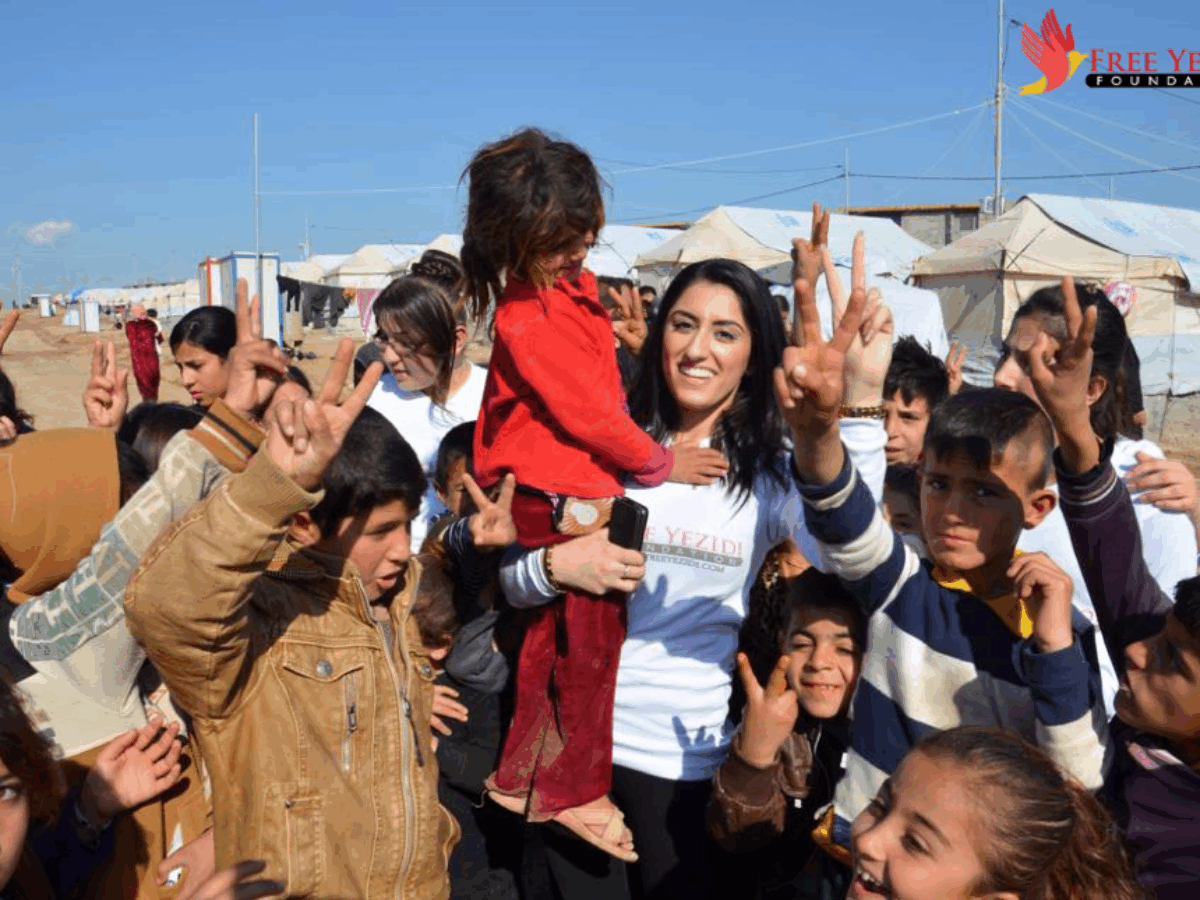
Iraqi women are facing heightened attempts by authorities to erode their rights, most recently through a January 2025 amendment to the Personal Status Law. This amendment eliminates women’s marital and inheritance protections, which risks trapping women in abusive relationships and increasing the number of women experiencing poverty. Anti-gender backlash is fueling growing threats of harassment and violence toward women activists, while women-led organizations are being targeted by the country’s NGO directorate, which controls civil society and restricts organizations working on women’s and gender issues. Women political candidates also face unique obstacles, including smear campaigns and disinformation. These challenges coincide with hurdles to recognition, accountability, and reparation for violations suffered by women and girls, including those from minority groups. The UN mandate to collect data on Islamic State crimes, including kidnapping and sexual enslavement, expired in September 2024 with no clear alternative pathway to justice. Yazidi women in Iraq still face significant obstacles to recovery and to rebuilding their communities, with no coordinated system to locate the more than 2,500 Yazidis still missing. Women-led organizations, however, have stepped up to fill this gap.
Regional instability remains a threat, particularly the possible resurgence of the Islamic State as US forces accelerate their withdrawal from Iraq. Worsened conflict or a growing threat of extremist violence may distract from regression on gender equality as well as impede access to resources for women and girls. Women’s advocacy remains a vital check to backsliding on rights; mobilization by women recently resulted in the government changing parts of the proposed amendment to the Personal Status Law, including keeping the minimum age for marriage at 18 rather than lowering it to 15. Additionally, Iraq launched its Third National Action Plan for Women, Peace and Security for 2025 – 2030, which identifies twelve key efforts, including increasing women’s representation in politics, the judiciary, and peacebuilding. Kurdistan also launched the second Regional Action Plan for Implementation of UNSCR 1325 for 2025 – 2029. Feminist organizations, government institutions, and UN Women supported the drafting of both plans. These frameworks provide civil society with a tool to hold the Iraqi government accountable for its commitments to women’s rights.