Iraq
- Conflict Status Active
- WPS Trajectory Worsening
JUMP TO
What to Know
What to KnowAfter Iraq’s military and Saddam Hussein’s government was disbanded following the 2003 US invasion, the country has suffered intermittent instability and conflict—notably the rise of the Islamic State between 2014 and 2017. The impact of climate change, including crippling droughts, compounds this unstable security landscape. Sectarian tensions further drive intercommunal conflict, triggering sporadic violence and complicating efforts to advance women’s rights and political participation. Although the Iraqi government has vowed to stay out of regional conflict between Israel and Iran, attacks by Iran-aligned armed groups and escalating regional tensions risk entanglement. Regional instability—including threats from extremist groups—as well as economic precarity, and climate change further threaten women’s security in Iraq. These pressures can exacerbate unemployment and inflation, disproportionately impacting women who are primarily employed in informal or low-income sectors, and already face discrimination and exclusion. Drought, water scarcity, and environmental degradation are also driving displacement and undermining livelihoods, with women and girls facing increased unpaid care burdens and risks to their health and safety.
Current WPS Risks
Current WPS RisksCurrent WPS Opportunities
Current WPS OpportunitiesFor more information, contact Gihan Elhadidy: ge190@georgetown.edu
This page was last updated on April 29, 2026.

Featured Analysis
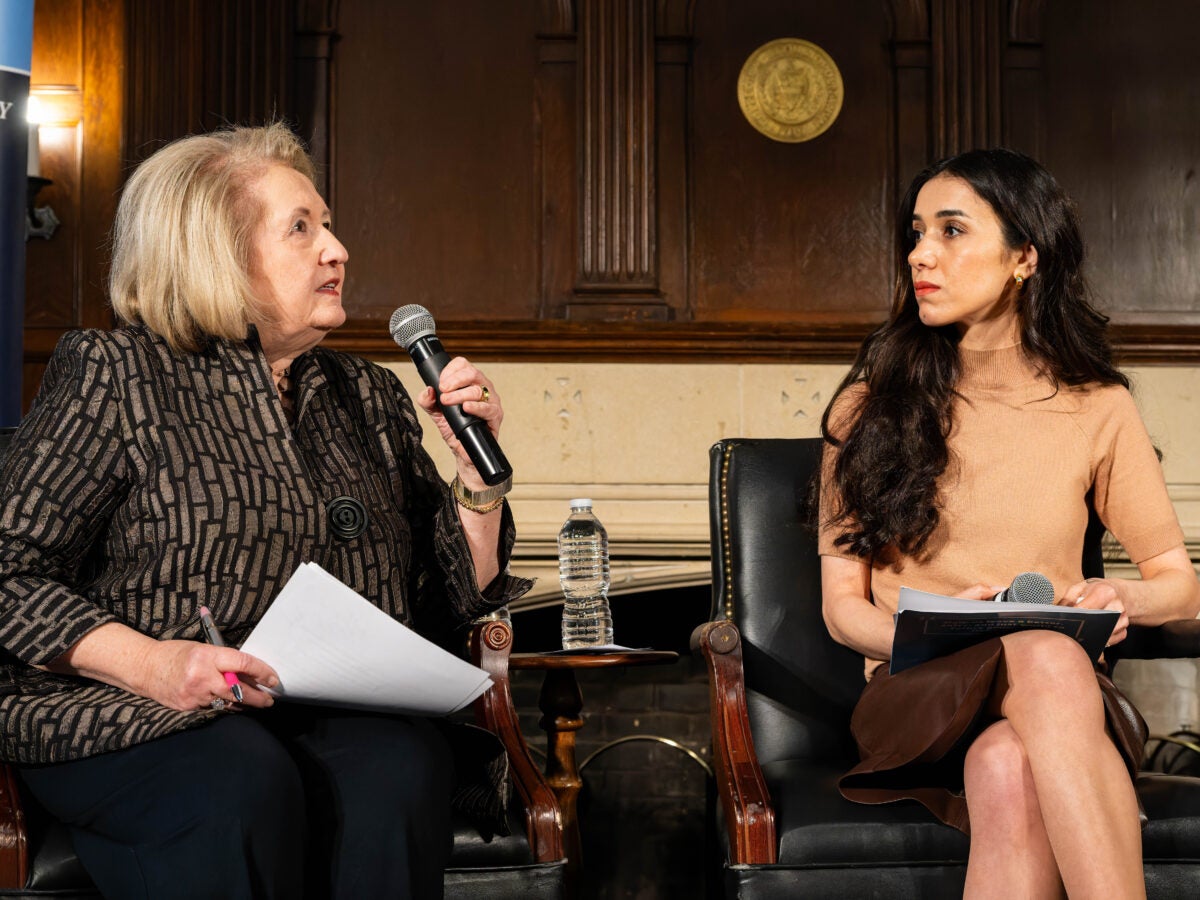
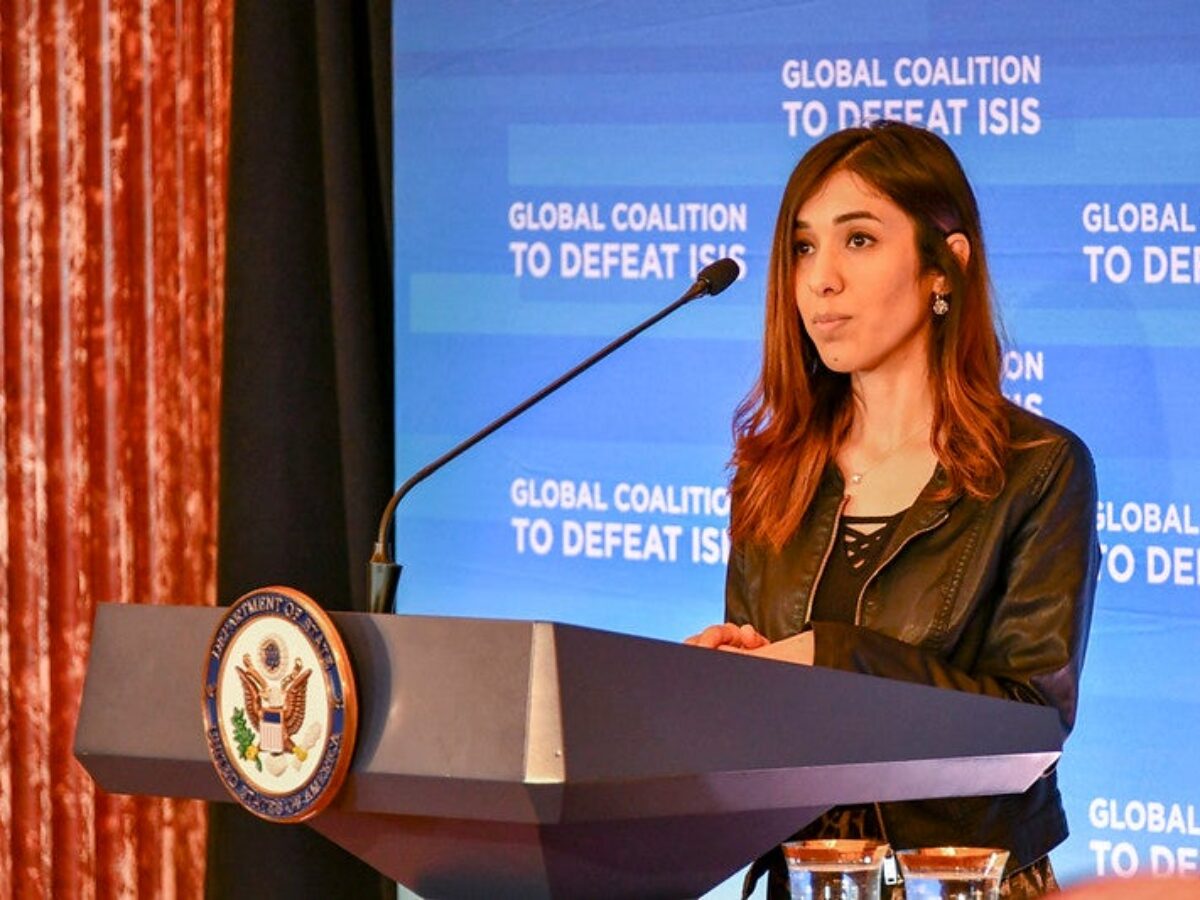
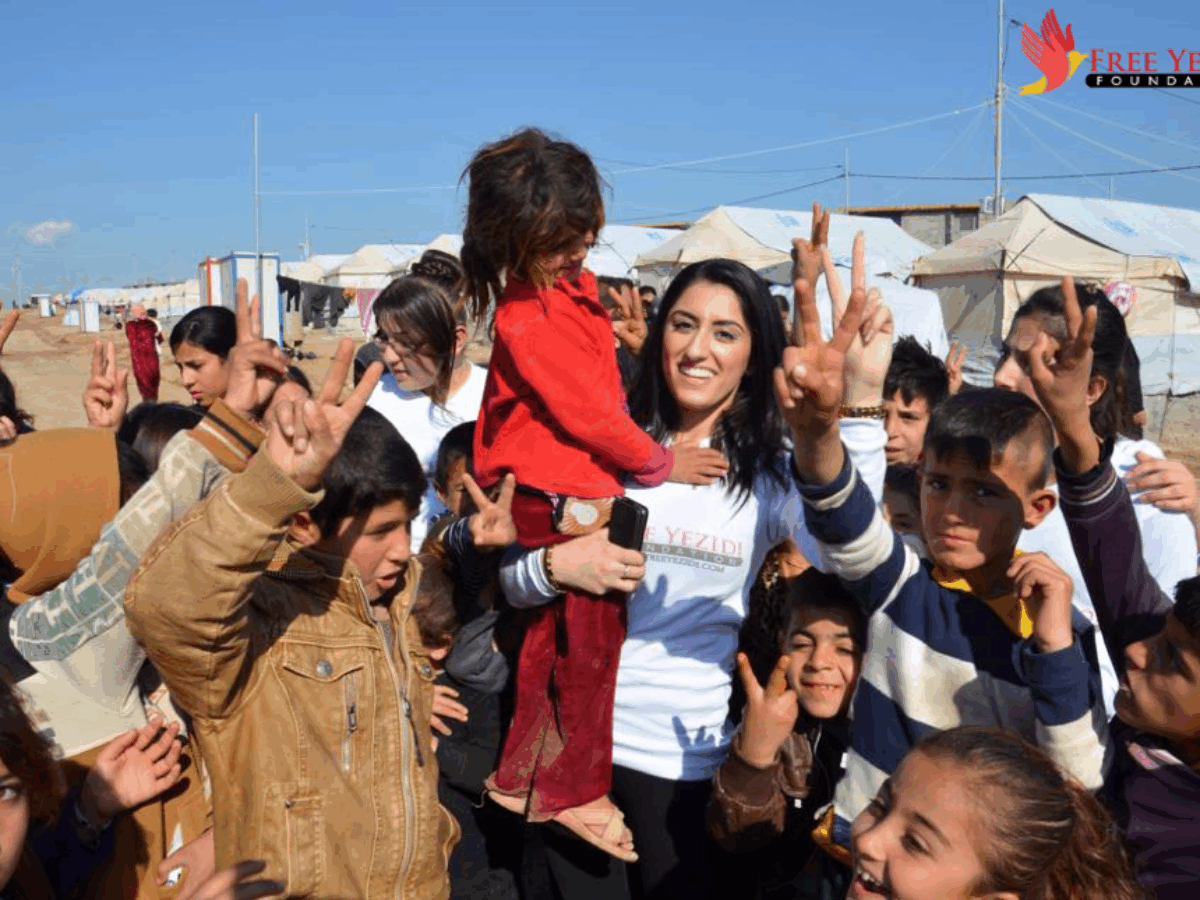
Pari Ibrahim is the founder and executive director of the Free Yezidi…
Featured Events