November 2025
Women, Peace, and Security Shadow Report to Congress: What Was Built, What Was Lost, and Why Congress Must Act Now

The U.S. government has failed to meet its legal obligations under the Women, Peace, and Security (WPS) Act of 2017. For the first time since this bipartisan legislation, signed by President Trump and co-sponsored by then Senator Marco Rubio, became law, the administration did not deliver its required report to Congress by the October 31, 2025 deadline. This failure represents more than a procedural lapse: it signals the systematic dismantling of a proven national security framework that took years to build and has generated measurable returns for American security and prosperity.
Congress now has a critical opportunity to reaffirm its authority, protect American security interests, and ensure that bipartisan legislation designed to keep Americans safe is implemented as the law requires.
The consequences are already unfolding and directly threaten American security. Congressional authority is being challenged as the administration ignores statutory requirements, setting a dangerous precedent that the executive branch can pick which laws to follow. National security is compromised as prevention capacity disappears; conflicts that could have been prevented will escalate, early warning systems will miss emerging threats, and partner forces will underperform. Border security is undermined as programs that stabilized origin countries and addressed root causes of migration are eliminated, forcing the U.S. to pour billions into enforcement while ignoring why people flee. Our strategic competition is being undermined as China steps into the vacuum, positioning themselves as reliable partners in Latin America, Africa, Southeast Asia, and the Middle East while the U.S. actively hands adversaries strategic advantage in regions where America should be competing most aggressively.
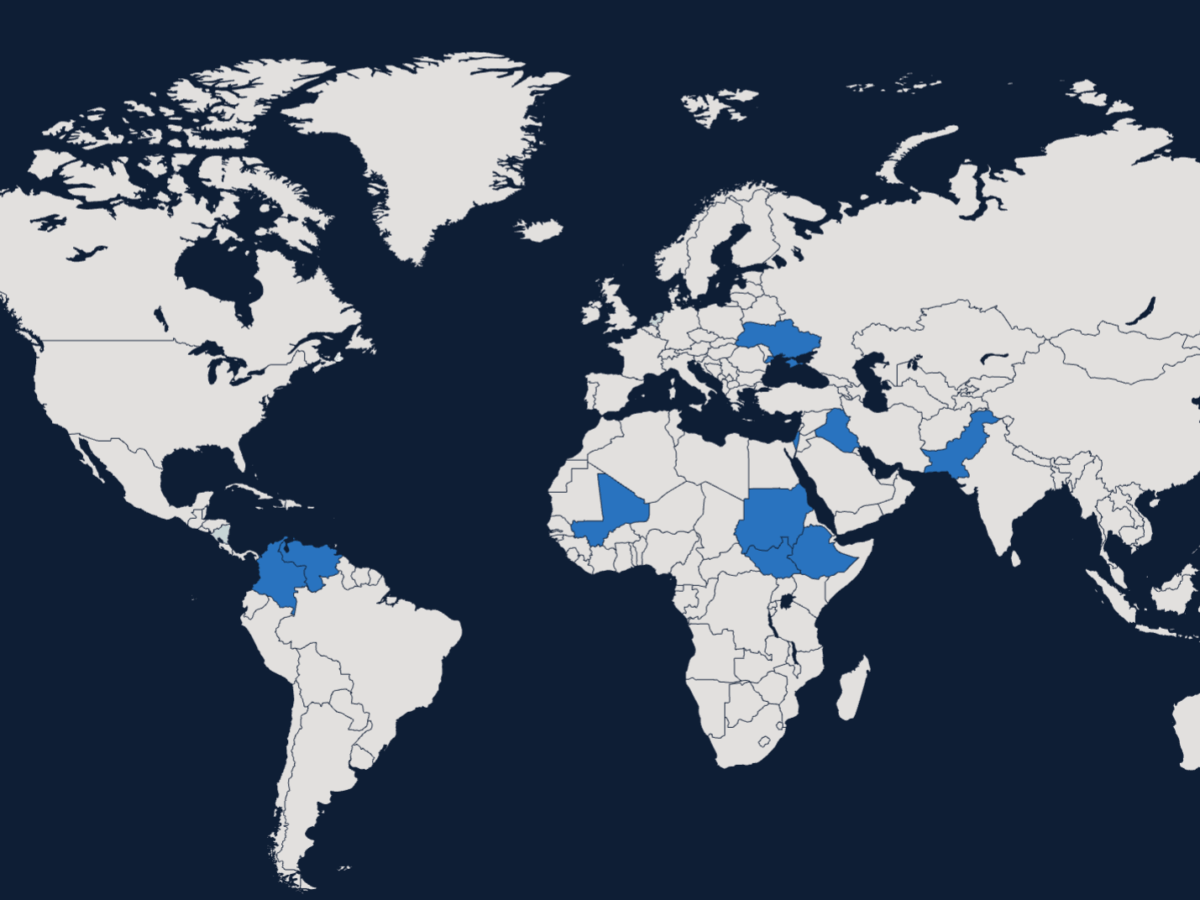
Congress must act immediately to restore WPS implementation and reassert its legislative authority. First, require regular reporting: demand immediate submission of the overdue WPS Act report, hold public hearings with Assistant Secretary-level officials, restore USAID.gov in its entirety to retrieve decades worth of data and public reporting, and establish ongoing briefings on implementation status. Second, exercise robust oversight: ensure government-wide WPS integration across national security strategies, hold hearings on implementation in conflict zones like Sudan and Ukraine, commission a Congressional Research Service report on compliance, and expand the bipartisan WPS Congressional Caucus. Third, provide robust resources: require re-appointment of WPS expertise across agencies, appropriate no less than $150 million annually in dedicated funding for women-led organizations, ensure flexible rapid-response funding, address severe personnel shortages at embassies and headquarters, and reject any rescissions packages impacting WPS programs. The WPS Act remains federal law and Congress, not the executive branch acting unilaterally, must determine its future.
Read the shadow report.
Explore More
Conflicts and Trends to Watch in 2026

WPS Index 2025/26