Women and Leadership in Myanmar

Summary
Key findings from this research demonstrate that women face significant barriers to becoming leaders, and these barriers are reinforced by persistent stereotypes – in particular, the notion that males are “natural” or rightful leaders and women are rightful followers, and that women lack some essential capacities to be effective leaders. Regardless of their job, women typically retain full responsibility for the care of the household and children. The experience of gender-based violence from males – both within the family and in the workplace – in the forms of insults, mockery, harassment, physical and sexual assault, was reported by women across all sectors. At the same time, the lack of public debate, as well as the lack of champions amongst women leaders themselves to contest discrimination, means that the space for women’s leadership is not expanding. Similarly, the failure to recognize gender equity as a struggle in its own right, as an essential component to achieve inclusive and sustainable peace, development and democracy, limits opportunities for women and opportunities for the wider progress in Myanmar.
Citation
Women and Leadership in Myanmar. Oxfam, Trocaire, CARE, and Action Aid, 2013, https://myanmar.oxfam.org/sites/myanmar.oxfam.org/files/file_attachments/Women%20%26%20Leadership%20(Full%20Report_English).pdf.
Explore More
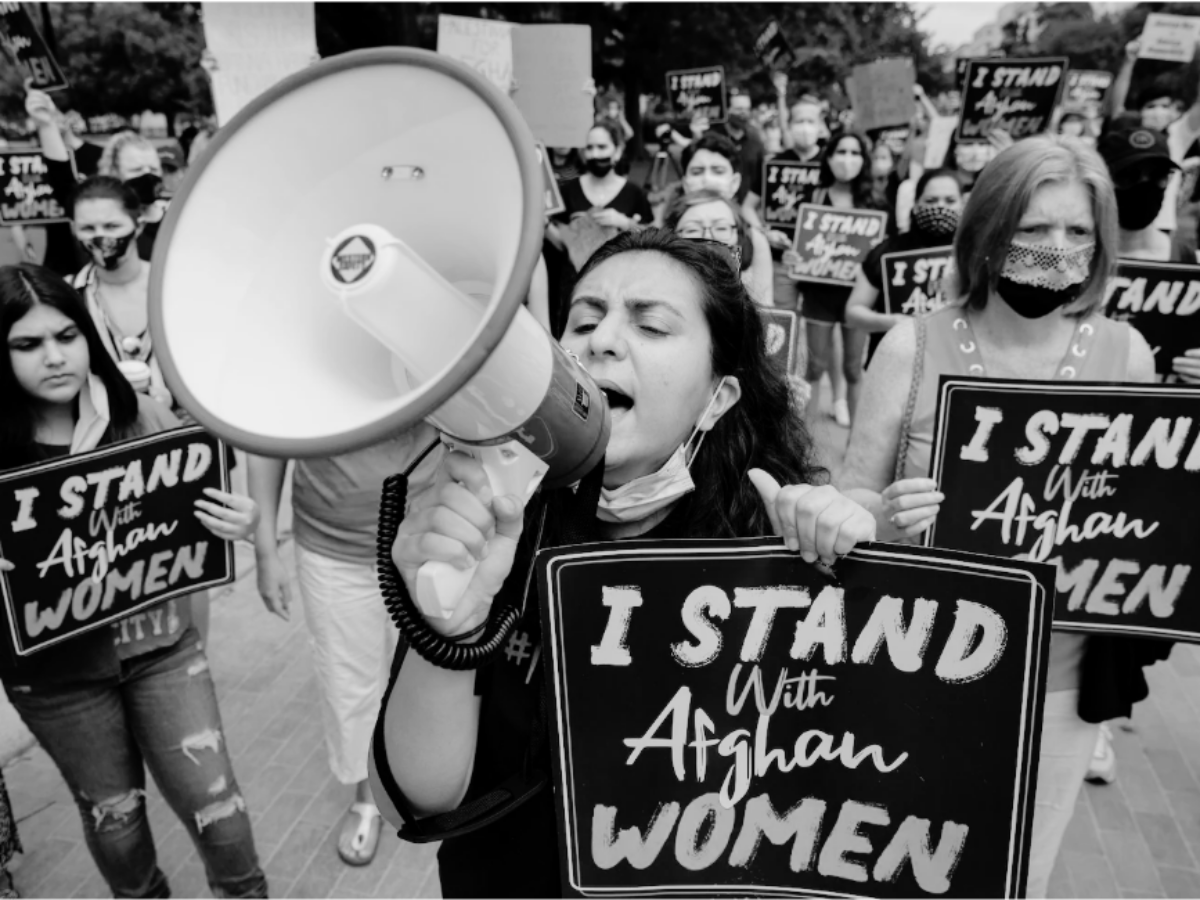
Afghan Women Pursuing Peace Under Oppression

The Women, Peace and Security Agenda Beyond 25 Years: Building Institutions for…