7 Major Headlines from COP30

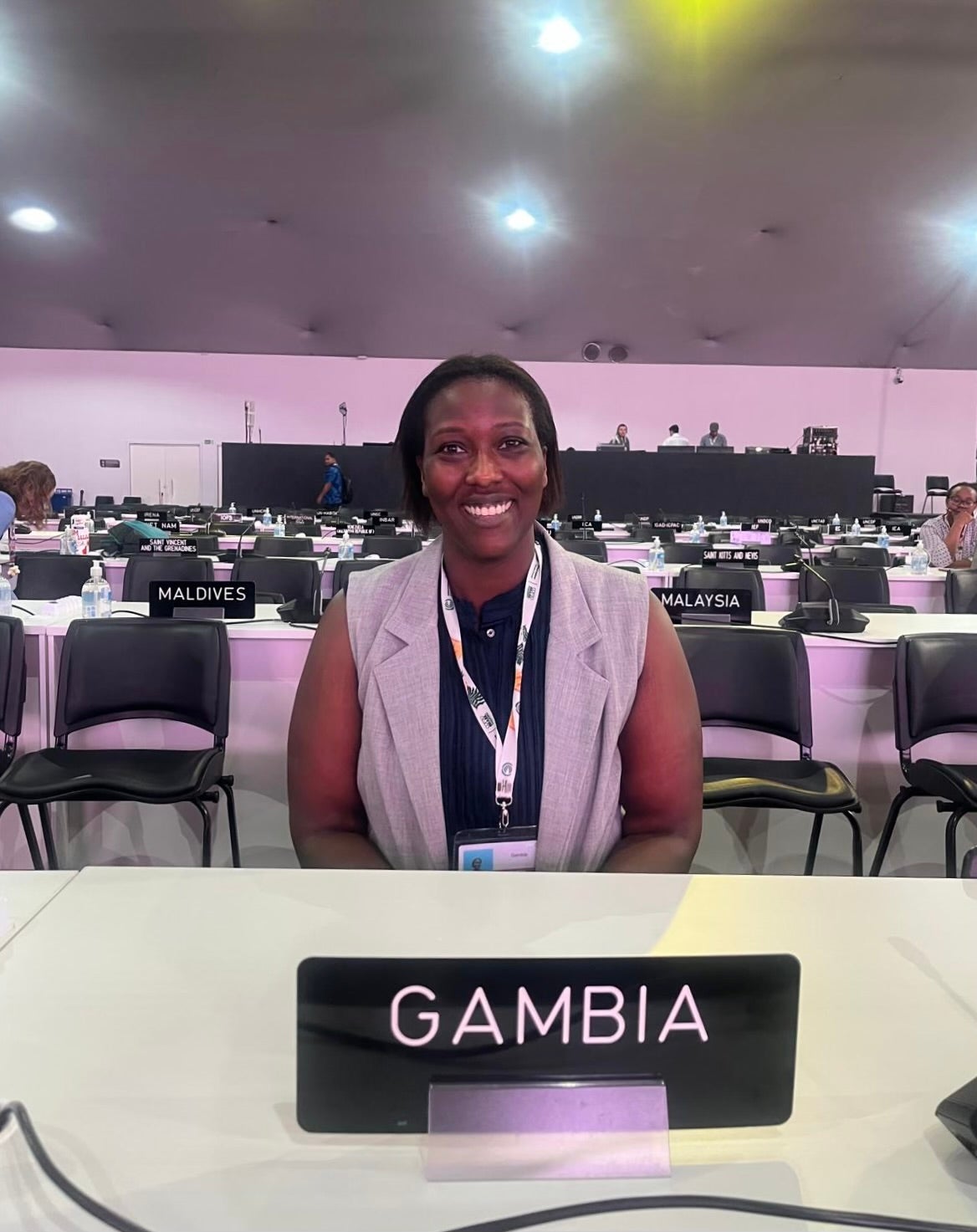
I recently returned from Belém, Brazil, where I attended the UN’s 30th Conference of Parties—known as COP30—which brings together nearly every country in the world to take stock and advance policies on climate change.
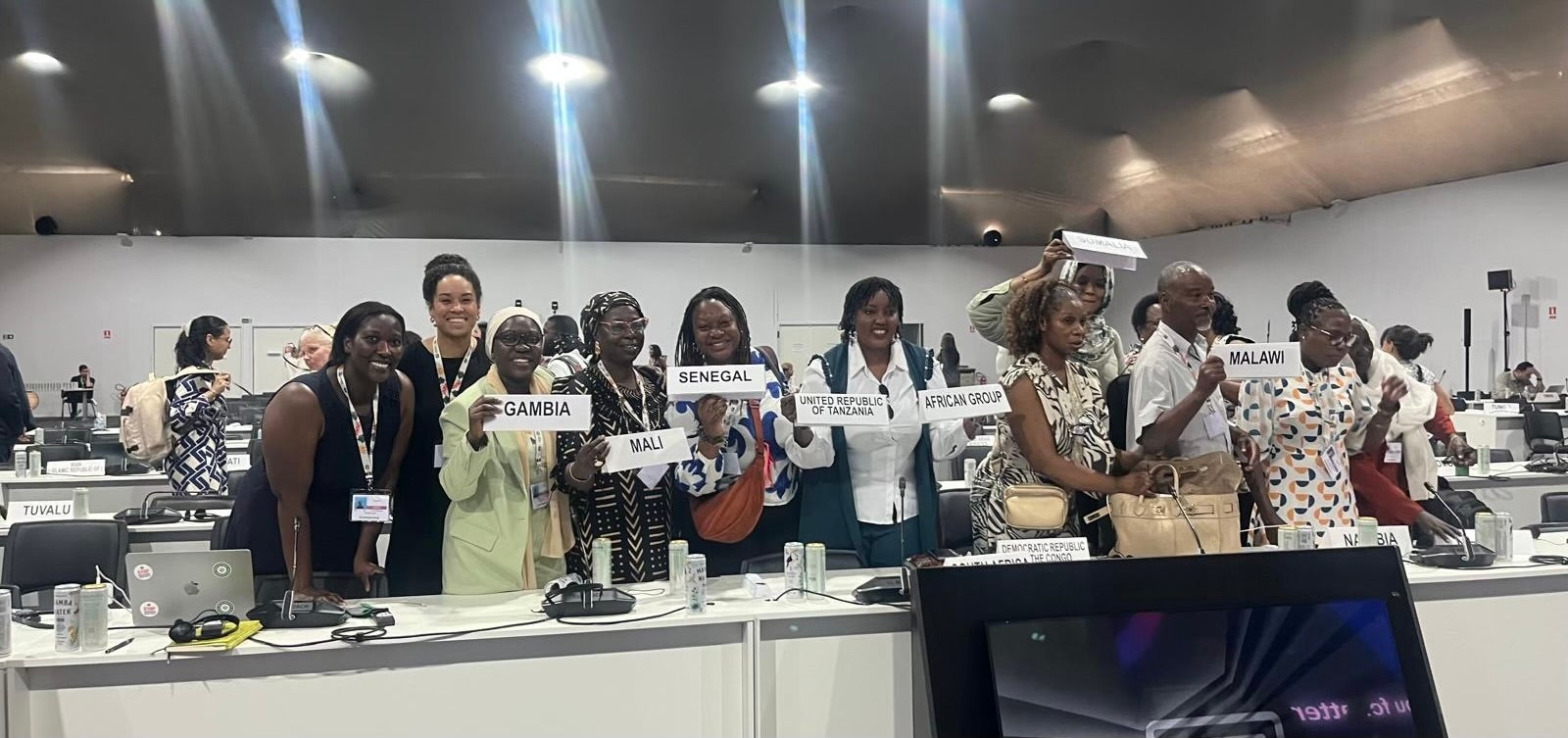
At COP30, I represented the Georgetown Institute for Women, Peace and Security (GIWPS) and supported the Gambian delegation, where I elevated gender and women’s perspectives into discussions and negotiations. Here are my top takeaways from Belém and ideas for next steps in advancing women’s central role in climate security.
Top Takeaways
1) COP30 adopted the nine-year Belém Gender Action Plan (GAP), despite concerted efforts to block work furthering both gender equality and climate action.
- For the first time, activities will focus on eliminating barriers for women in decision-making processes, enhancing safety and protection mechanisms for women environment defenders, and strengthening support to National Gender and Climate Change Focal Points. Leaders also agreed to enhance collaboration on the collection and use of gender- and age-disaggregated data.
- However, the GAP fell short of agreeing to coordinated efforts to increase knowledge on emerging issues, such as sexual reproductive health and rights, gender-based violence, and unpaid care work in the context of gender and climate. UNFCCC negotiations also witnessed attempts to push back on gender terms—but these efforts were unsuccessful.
- Though the plan calls for the gender-responsiveness of climate finance to be improved, financing to support this work remains unforthcoming. Without explicit funding, the GAP risks remaining symbolic, especially for low‑capacity countries such as Least Developed Countries (LDCs) and Small Island Developing States (SIDS) that depend on external finance and technical support.
- Though the Belém GAP will stand, efforts to backtrack progress will likely continue in the UN climate negotiations and other multilateral spaces in 2026.
2) Parties committed to a major scaling up of climate finance, united under a call to mobilize US$1.3 trillion annually by 2035 for global climate action. The conference outcome also calls for tripling adaptation finance by 2035 (from pre-2025 levels). The new finance pledges are not yet backed by binding commitments, and key details, such as timelines, grant‑versus‑loan balance, and mechanisms to ensure equity (especially for least developed countries, women, and vulnerable communities), remain vague or unresolved.
3) In other funding news, the Loss & Damage Fund—which provides compensation and support for communities already facing irreversible climate impacts, including for women and children—was advanced. Developing countries can now submit proposals for support and funding requests, starting in 2026. This important step allows affected communities to directly articulate their needs, and it signals a renewed emphasis on supporting victims of climate change. Additionally, a new fund—the Tropical Forest Forever Facility—was also launched to protect forests around the world, with $9.5 billion already raised for this cause.
4) The Belém Adaptation Indicators were adopted. Finding consensus around fifty-nine indicators marked an important step forward for tracking progress toward the global climate resilience goal agreed at COP28. One indicator tracks gender-responsive adaptation policies.
5) The United Arab Emirates’ Just Transition Work Programme was successfully adopted to develop a Just Transition Mechanism. The Just Transition Mechanism does not have an explicit mandate to pursue gender-responsive approaches, as prior language on the importance of gender and human-rights-based approaches to just transition pathways were replaced.
6) Foundations stepped up. For example, the Gates Foundation plans to use soil carbon credits to provide direct payments to women farmers. Climate Bridges will also launch the global partnership to accelerate finance for women entrepreneurs as part of the Axis 5: Fostering Human & Social Development and Axis 6: Unleashing Enablers and Accelerators, including on Financing, Technology, and Capacity-Building. As the climate crisis deepens, these types of private sector contributions are critical components of climate finance and response.
7) COP30 ended without a deal to transition away from fossil fuels. The United States—the world’s largest historical emitter—was notably missing from COP30 after the Trump Administration’s withdrawal from the Paris Agreement. No senior U.S. officials attended the Belém summit. In the lead-up, the administration was also accused of “bullying tactics” to block a global deal on cutting cargo-ship emissions.
What Role Did GIWPS Play?
Ahead of COP, I gathered insights from women around the world on the challenges and opportunities they see in the climate space. I shared these insights widely in a policy paper and op-ed in the lead-up to the event to inform participants and delegates, and shared them in-person at the event as well. I also played a leading role in shaping the negotiations themselves, serving as one of the lead writers for the Africa Group of Negotiators Ministers Briefing Update on Gender Priority Areas, contributing daily to morning caucuses and coordination meetings on gender, and writing the high-level statement read aloud by Zambia’s Minister of Environment to the COP Presidency and co-facilitators.
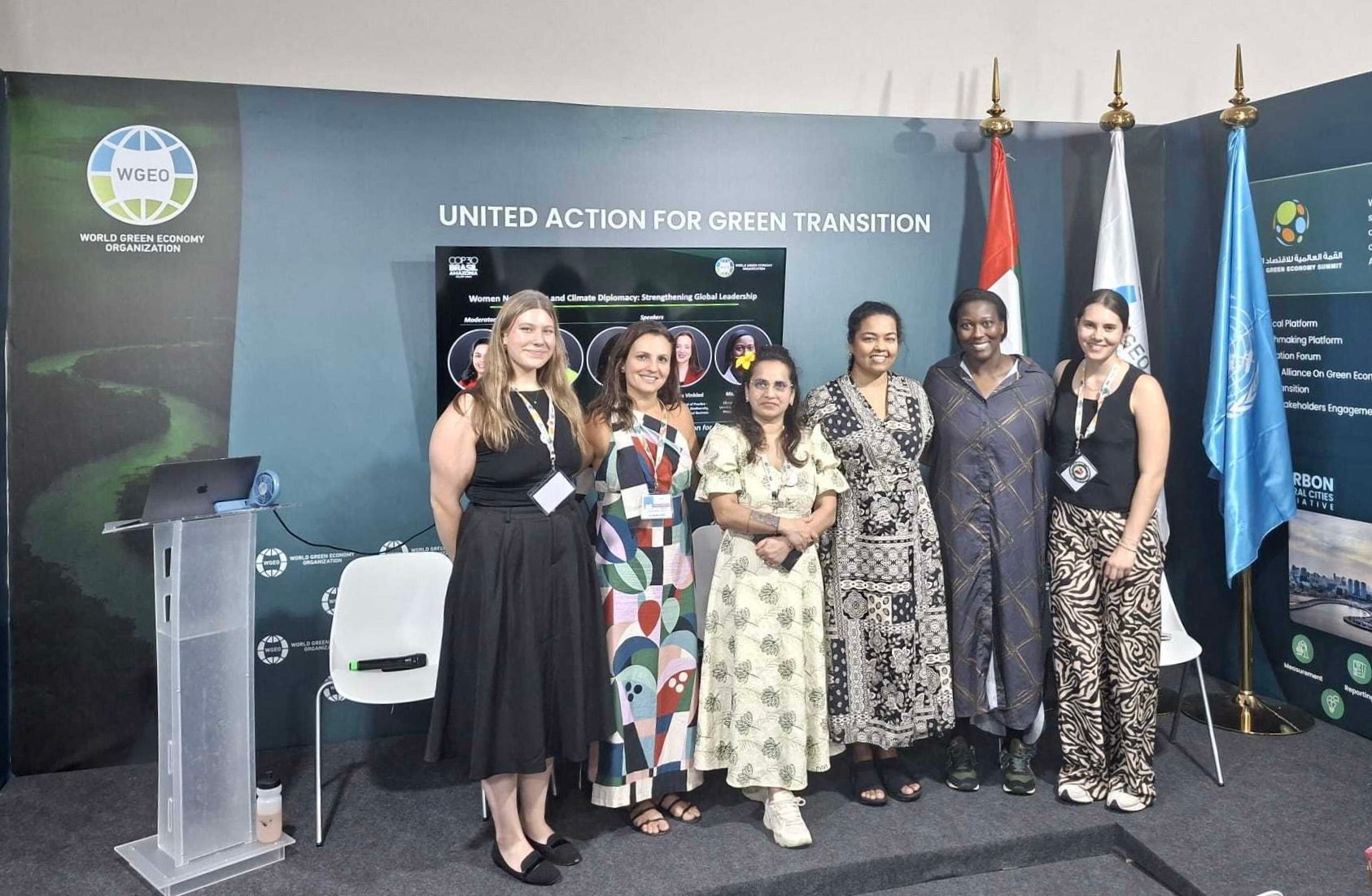
I also elevated GIWPS strategic recommendations on women’s representation and COP negotiation capacity at a high-level panel organized by the World Green Economy Organization (WGEO).
What Comes Next?
While some important progress was made on gender and climate at COP 30, the rubber hits the road now in terms of implementation. Countries must develop and articulate concrete plans to implement the COP 30 outcomes, including the GAP, including the allocation of funds. And they must measure progress and regularly report on outcomes, including by integrating these commitments into other processes like National Adaptation Plans (NAPs) and Nationally Determined Contributions (NDCs). GIWPS will continue to elevate the recommendations and voices of women during the implementation period and will share updates on gender-related COP progress via its Conflict Tracker.
Explore More
GIWPS Reflections from the NALAFEM Summit: When Power Meets Capital to Advance…
The NALAFEM Summit, which took place this month in Nairobi, Kenya, was…

Women, Peace and Security Conflict Tracker: July Updates
Our Women, Peace and Security Conflict Tracker combines real-time data points and…