Philippines
- Conflict Status Active
- WPS Trajectory Static
JUMP TO
What to Know
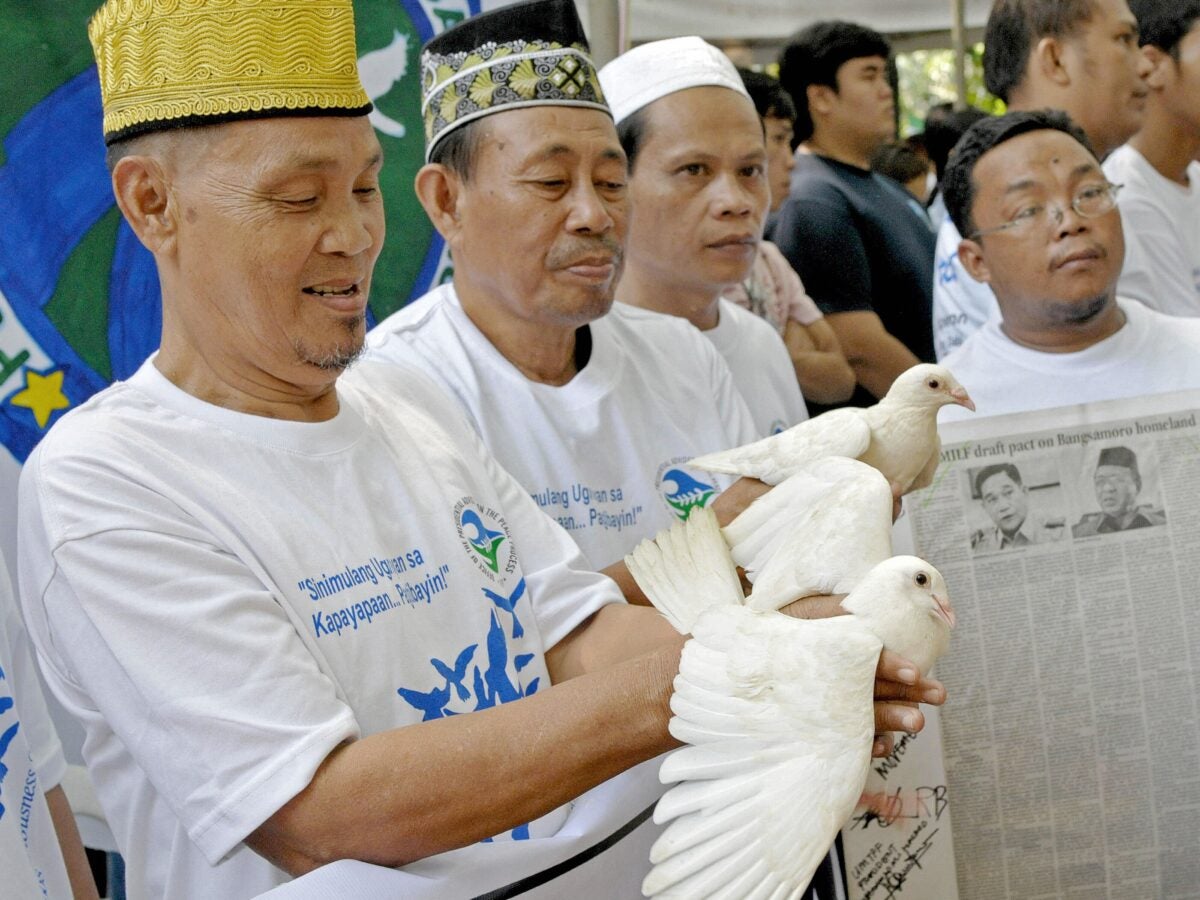
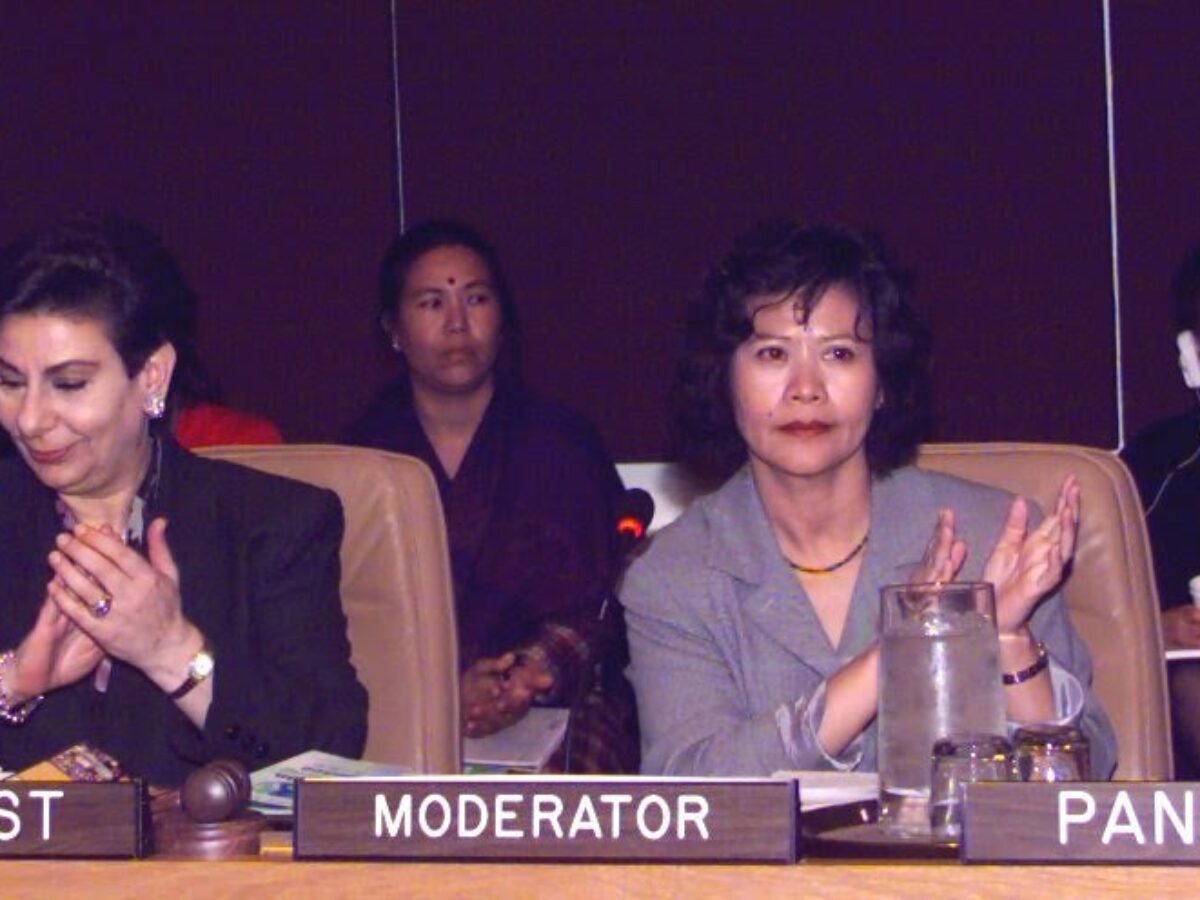
What to KnowPolitical tension, sporadic violence—including with separatists in Mindanao seeking to create an Islamic state—and post-conflict recovery and reparation continue to impact women and girls in the Philippines. Conflict has persisted since 1969, when a communist-armed rebellion began in part as a response to socio-economic frustration. The nation also endured former President Rodrigo Duterte’s “war on drugs” throughout his 22-year tenure as mayor of Davao City and as president from 2016-2022. Beyond mass arrests and killings, the policy was marked by a broader crackdown on civil society, including harassment of women human rights defenders, journalists, and grassroots organizations that sought accountability for extrajudicial abuses. These restrictions curtailed women’s civic participation and deepened risks for those advocating for justice and social change.However, women have historically been key players in peacebuilding efforts in the Philippines; the 2014 Comprehensive Agreement on the Bangsamoro included the first and only female chief negotiator, with women comprising 27 percent of total signatories.

Current WPS Risks
Current WPS RisksCurrent WPS Opportunities
Current WPS OpportunitiesThis page was last updated on January 28, 2026.

Featured Analysis
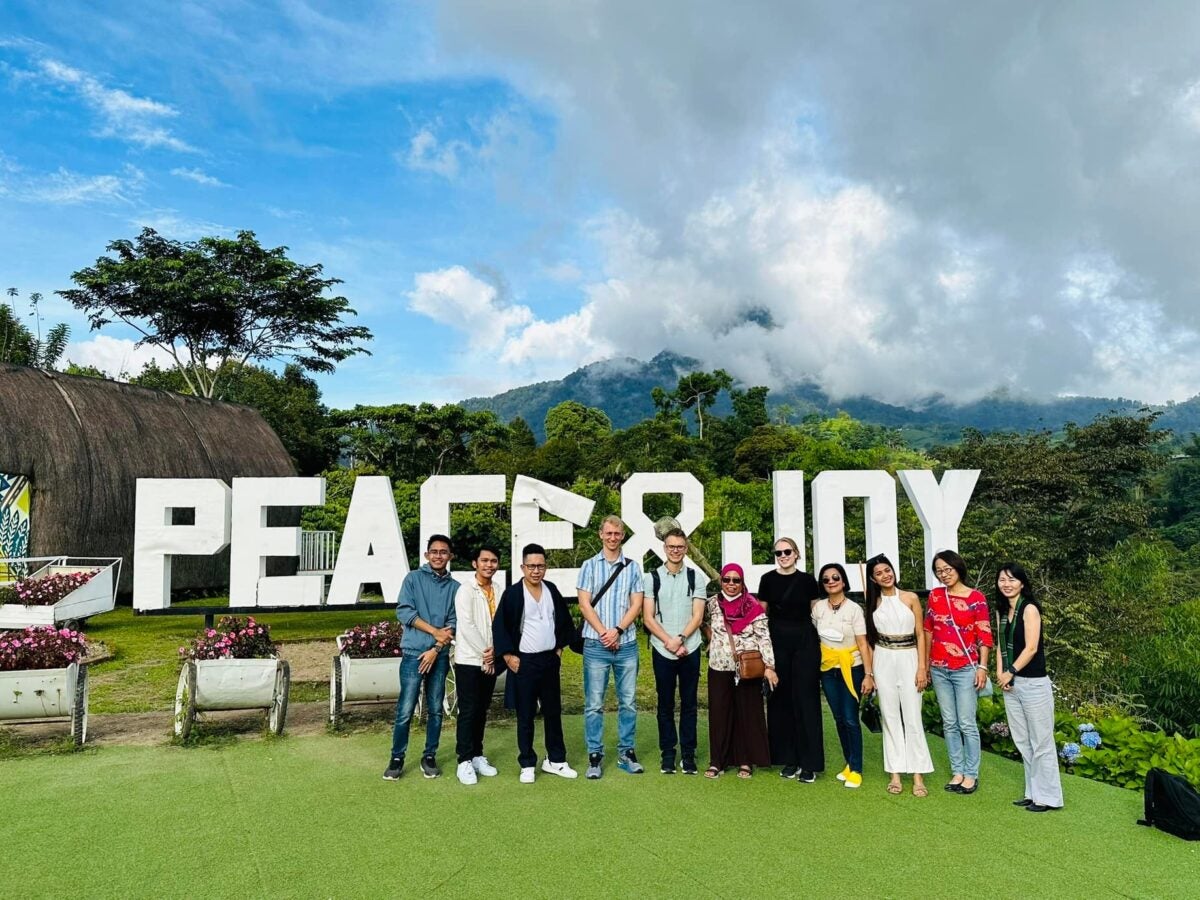
“We really need men as allies. Women should not always have to…

Miriam Coronel Ferrer served as the Chief Negotiator of the Philippines Government in the Mindanao…
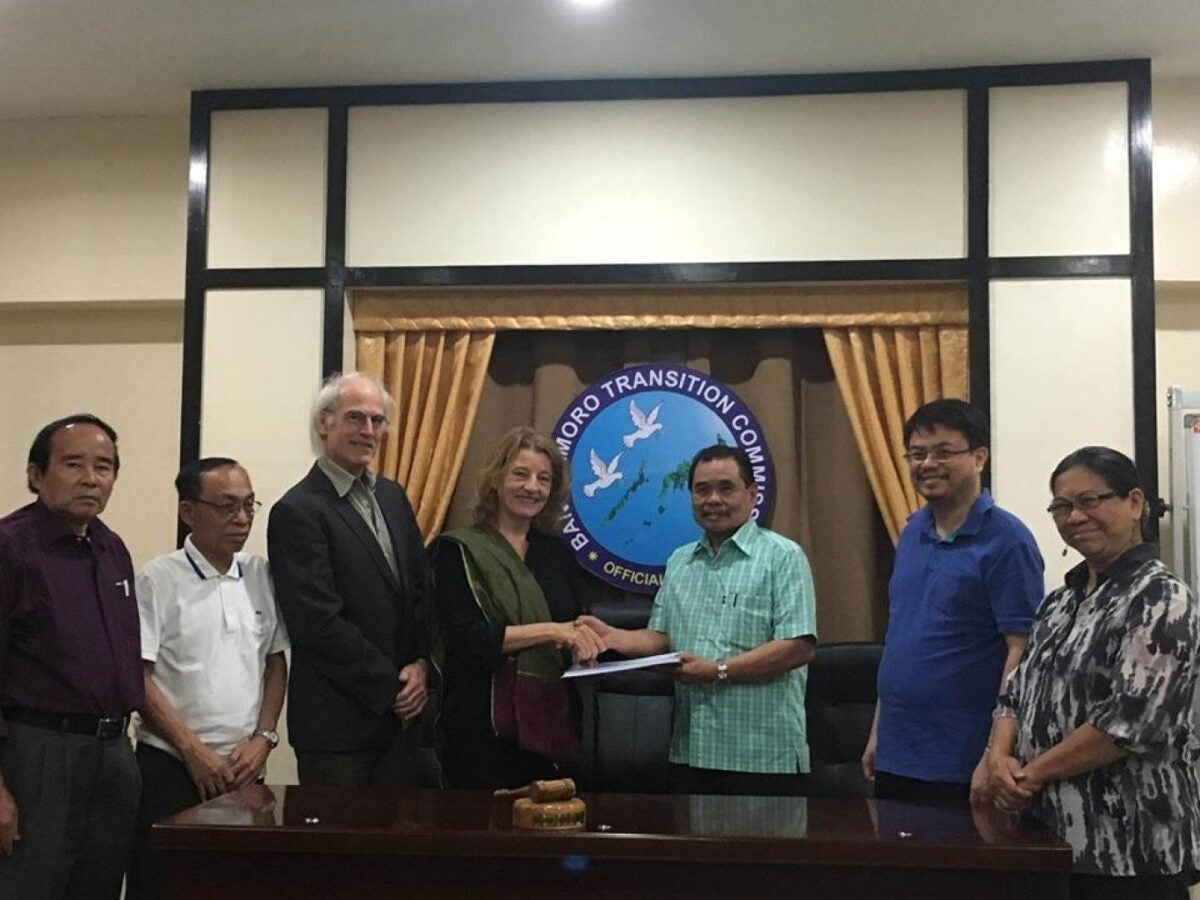
An important milestone has been achieved in the peace process in the…
Featured Events