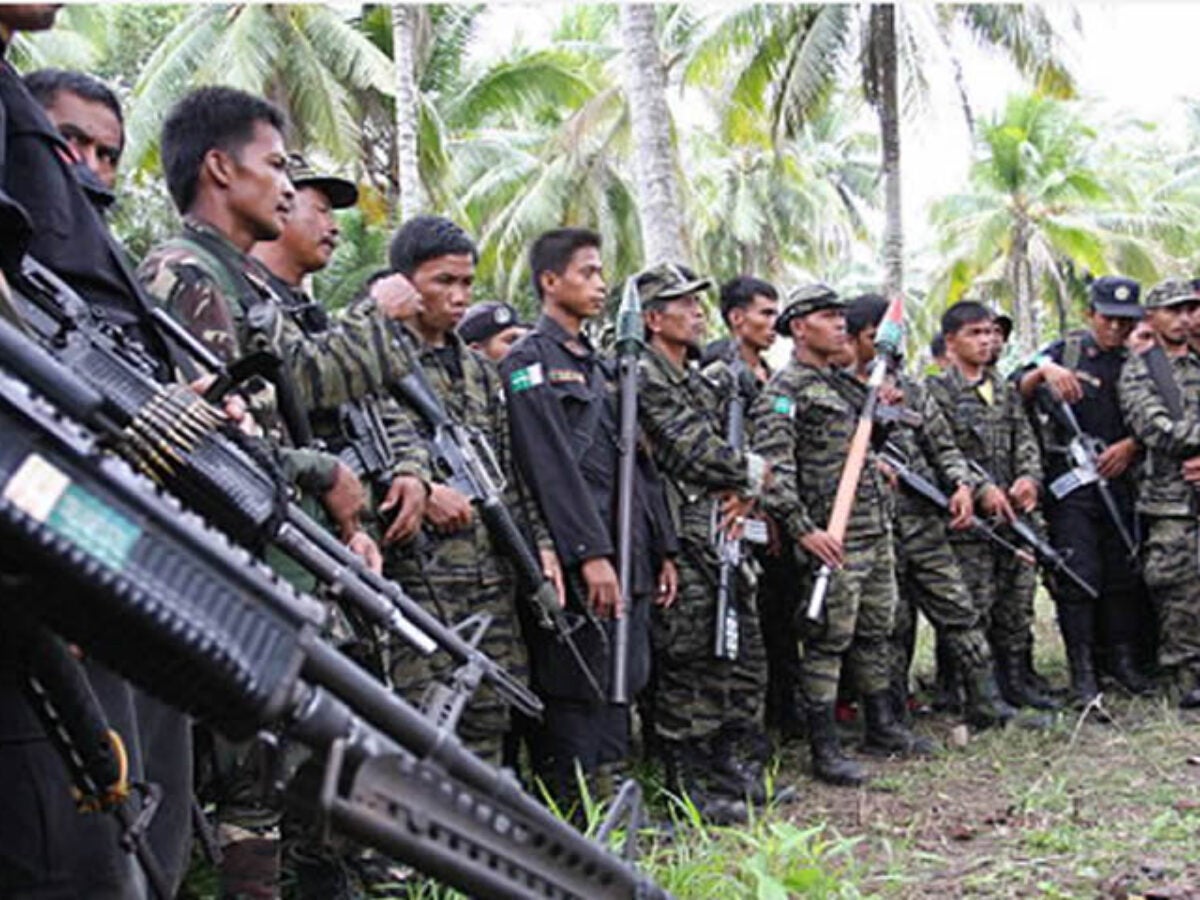
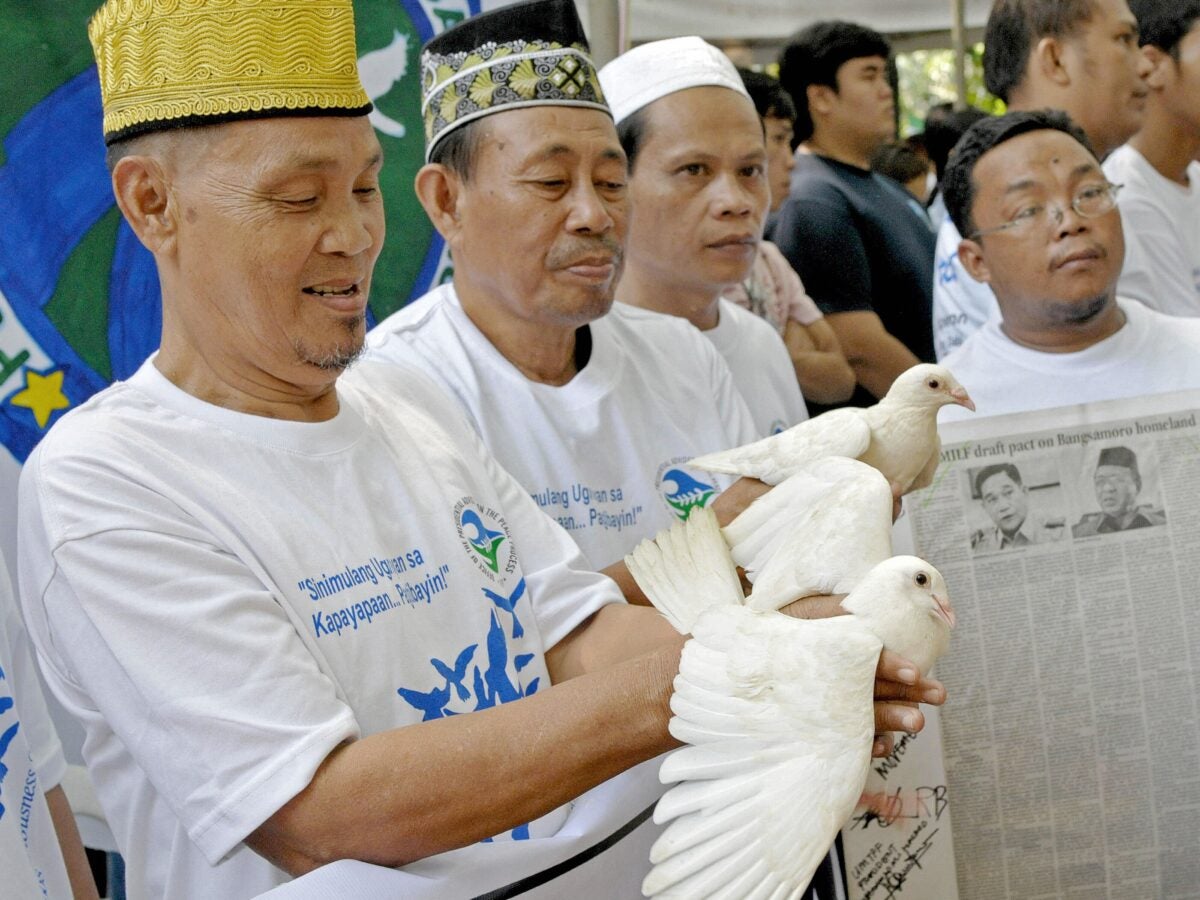
Political tension, sporadic violence—including with separatists in Mindanao seeking autonomy—and unresolved post-conflict grievances continue to impact stability in the Philippines. Conflict has persisted since 1969, when a communist-armed rebellion began in part as a response to socio-economic frustration. Despite attempted negotiations with the Moro National Liberation Front (MNLF) and then the Moro Islamic Liberation Front (MILF) in the late 1990s, repeated fighting disrupted progress toward lasting peace. Negotiations resumed in the 2000s and included the involvement of influential women participating both formally and informally. In2014, the Comprehensive Agreement on the Bangsamoro (CAB) was signed, establishing a framework for expanded self-governance and leading to the creation of the Bangsamoro Autonomous Region in Muslim Mindanao (BARMM) in 2019. However, implementation of the agreement remains incomplete amid continued low-level conflict, clan violence, socioeconomic inequality, and repeated delays to the region’s first parliamentary elections. The Philippines also endured former President Rodrigo Duterte’s “war on drugs” during his 2016-2022 administration. Characterized by frequent mass arrests and killings, the period marked a broader crackdown on civil society, including harassment of women human rights defenders, journalists, and grassroots organizations that sought accountability for extrajudicial abuses. President Ferdinand Marcos Jr. was elected in 2022, with former President Duterte’s daughter, Sara Duterte, as his vice president. The Marcos-Duterte administration has fractured amid escalating political and legal disputes, resulting in polarization and political uncertainty, while the government continues to face unresolved security and governance challenges.
Human rights defenders continue to report targeted violence and harassment by the government, as well as red-tagging, the labeling of individuals or organizations as communists, terrorists, or subversives to discredit and provoke harassment against them. Women land and environmental defenders are on the frontlines of protecting their communities, yet face heightened risks of being targeted. Intermittent violence between the national army and rebel communist forces continues to impact communities in conflict-affected areas, with competition over resources posing additional risks for Indigenous and rural communities. Extractive industries create heightened risks for women and girls, including displacement, disruption of livelihoods, and exposure to contaminated land and water. Amid ongoing political, economic, and conflict-related challenges, women continue to play a critical role in peacebuilding and recovery efforts, particularly in the BARMM, yet remain largely excluded from formal decision-making spaces. At the national level, the Philippines maintains a robust commitment to implementing the Women, Peace and Security (WPS) Agenda, and was the first Asian country to adopt a WPS National Action Plan. The establishment of the WPS Center of Excellence in the Office of the Presidential Advisor for Peace, Reconciliation and Unity in 2024 marked a major milestone, with the center serving as a platform for embedding and localizing the WPS Agenda. However, implementation gaps remain, particularly as repeated delays to the BARMM parliamentary elections have prolonged the region’s transitional governance and implementation of the 30 percent gender quota. Ensuring women’s meaningful participation in the elections and subsequent governance will be critical to translating their longstanding contributions to peacebuilding into sustained political influence.
After four postponements, the Bangsamoro Autonomous Region in Muslim Mindanao (BARMM) held its first parliamentary elections on September 14, 2026. An estimated 80 percent of registered voters turned out in an election that occurred amid threats of violence and intimidation, including the killing of multiple people at polling stations in Cotabato City. The Bangsamoro Electoral Code mandated a 30 percent gender quota for party candidates, but this does not appear to have translated into equal representation. Most female candidates were placed at the bottom of party lists where they were unlikely to be elected, and preliminary vote counts indicate that women will hold only 15 percent of seats, reflecting persistent barriers to women’s meaningful political participation.
The Philippines remains under a state of national energy emergency as disruptions to the global energy supply have driven surging fuel prices and inflation. The peso has slumped to record lows, and resulting economic strain could push millions back into poverty, potentially reversing progress made in 2025. For low-income and marginalized households—particularly women-headed households reliant on informal labor and public transport—higher energy and transport costs risk reducing purchasing power, increasing economic insecurity, and deepening unpaid care burdens.
The energy crisis is accelerating interest in domestic fossil fuel extraction, including plans to explore oil and gas reserves in the Liguasan Marsh within the conflict-affected region of Mindanao.The push to expand domestic energy production and reduce import dependence risks exacerbating tensions related to land use and resource governance. Women environmental defenders, particularly in Indigenous communities in the region, face heightened risks of physical and digital harassment, intimidation, and violence. Further, extractive practices may also heighten exposure to climate shocks in one of the world’s most climate-vulnerable countries. These intersecting pressures risk compounding existing socioeconomic inequalities and distress that disproportionately impact women and girls, particularly in rural, Indigenous, and climate-vulnerable communities.
As ASEAN Chair in 2026, the Philippines has an opportunity to elevate WPS within regional discussions on peace, security, and resilience, including through proposed WPS-focused sideline events during the September ASEAN Summit. Further, the September 2026 memorandum of understanding between OPAPRU and the Philippine Commission on Women to integrate the National Action Plan on WPS into local government plans and budgets provides an example of how regional commitments can be translated into local action. Together, these efforts could strengthen regional attention to women’s meaningful participation and leadership in peacebuilding and conflict prevention.
A proposed bill in the Philippines House of Representatives seeks to strengthen legal protections for women and children by expanding the definition of rape to center on the absence of consent and imposing harsher penalties—particularly for perpetrators in positions of authority. The legislation also introduces procedural safeguards, including mandatory reporting and stronger protections for victim privacy, in response to persistent underreporting driven by stigma and barriers to justice. If enacted and effectively implemented, these reforms could improve accountability for sexual violence and reduce institutional barriers to access to justice for survivors.