Syria
- Conflict Status Active
- WPS Trajectory Static
JUMP TO
What to Know
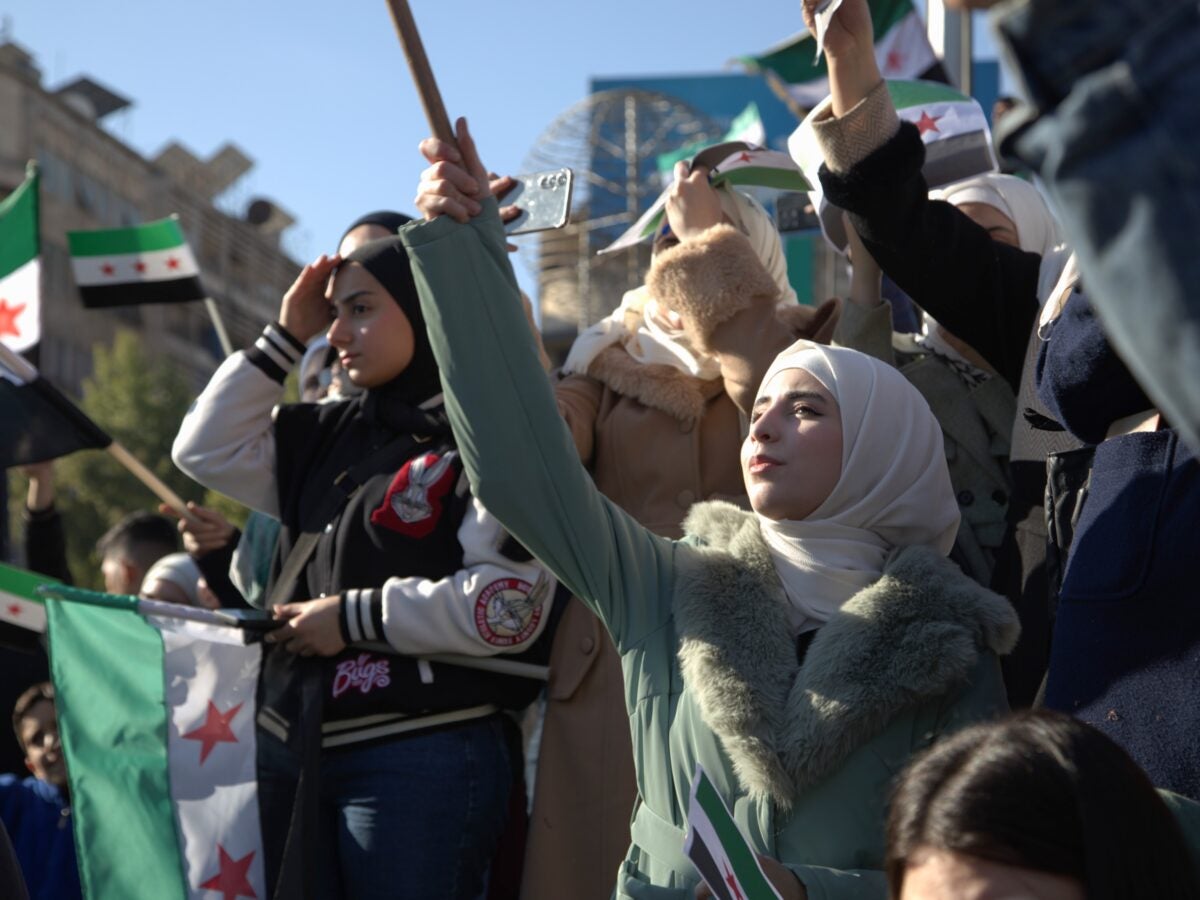
What to KnowFollowing the collapse of Bashar al-Assad’s government in December 2024, President Ahmed al-Sharaa is navigating a fragile political transition and recovery after nearly 14 years of civil war. Conflict erupted in 2011 when the government, backed by Russia and Iran, violently suppressed protests tied to the Arab Spring movement, prompting the creation of anti-government rebel groups. Fighting devolved into a brutal civil war characterized by arrests, torture, and chemical weapon attacks against civilians. As the country embarks on its five-year transitional period, challenges and instability persist amid unresolved questions over minority rights, constitutional reform, and the future distribution of political and security power, including women’s participation in governance. Syria’s Kurdish community and the Kurdish-led Syrian Democratic Forces (SDF) face an uncertain future amid efforts to integrate Kurdish-led institutions into the Syrian state as President al-Sharaa aims to consolidate control. At the same time, ISIS remains a persistent security threat amid changes in the domestic and regional security landscape, while sectarian tensions have fueled localized violence. The country’s political transition is further challenged by regional insecurity, including Israeli military activity and territorial incursions in southern Syria. Although Syrians continue to return home following the fall of al-Assad, the country remains deeply affected by mass displacement, widespread poverty, and humanitarian need as a result of more than a decade of war, with an estimated 16.5 million people requiring assistance.
Current WPS Risks
Current WPS RisksCurrent WPS Opportunities
Current WPS OpportunitiesFor more information, contact Gihan Elhadidy: ge190@georgetown.edu
This page was last updated on September 16, 2026.

Featured Analysis

To All Parties Involved In the Current Conflict in Suwayda, Syria. We,…
Featured Events