WPS Resource Center
A tool for academics and practitioners interested in gender and conflict.

From Participation to Lasting Influence
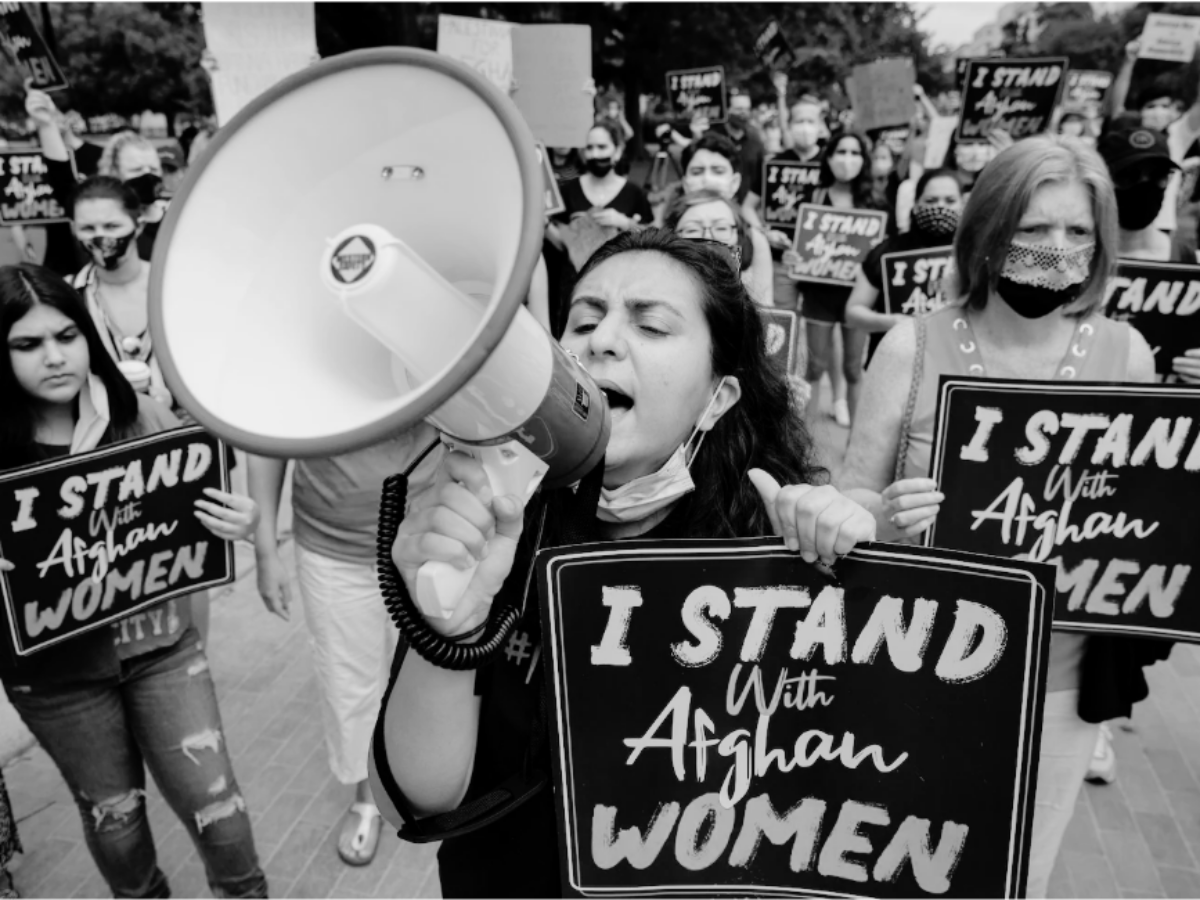
Afghan Women Pursuing Peace Under Oppression
The Women, Peace and Security Agenda Beyond 25 Years: Building Institutions for…
Afghan Women Pursuing Peace Under Oppression
Executive Summary August 2026 marked the fifth anniversary of the Taliban’s return to power in Afghanistan, during which time the regime has systematically erased Afghan women and girls from public life. The Taliban has imposed over 160 restrictive decrees on women, denying their access to education, employment, and healthcare as well as restricting other human…
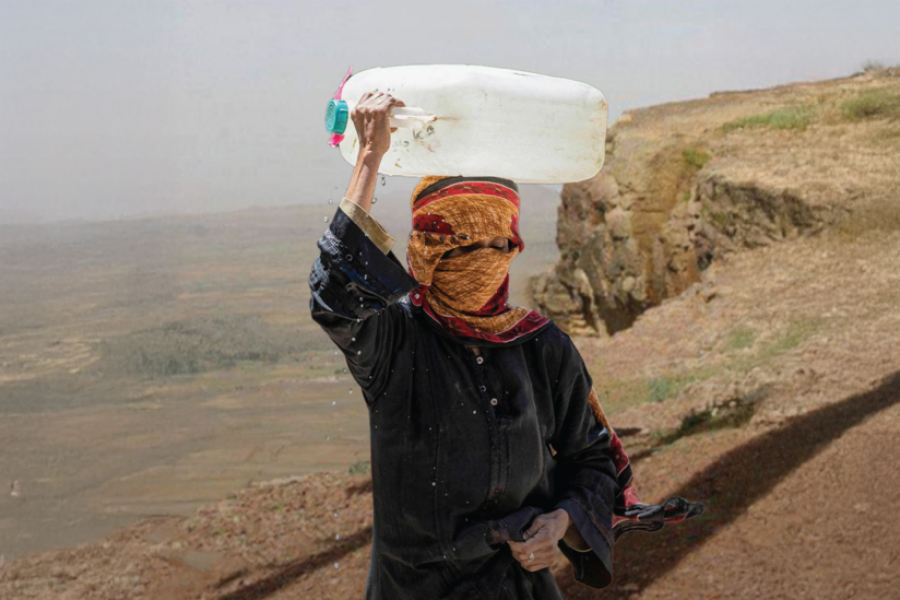
Beyond Security: A Plan for Women’s Water Security Policy and Governance in the Middle East
Acknowledgements We are especially grateful to Melanne Verveer, Founding Executive Director of GIWPS and former U.S. Ambassador-at-Large for Global Women’s Issues, and Kim Hart, Director of Policy and Programs at Georgetown Institute for Women, Peace and Security (GIWPS), for their leadership, encouragement, and sustained support throughout the development of this paper. We also extend our…
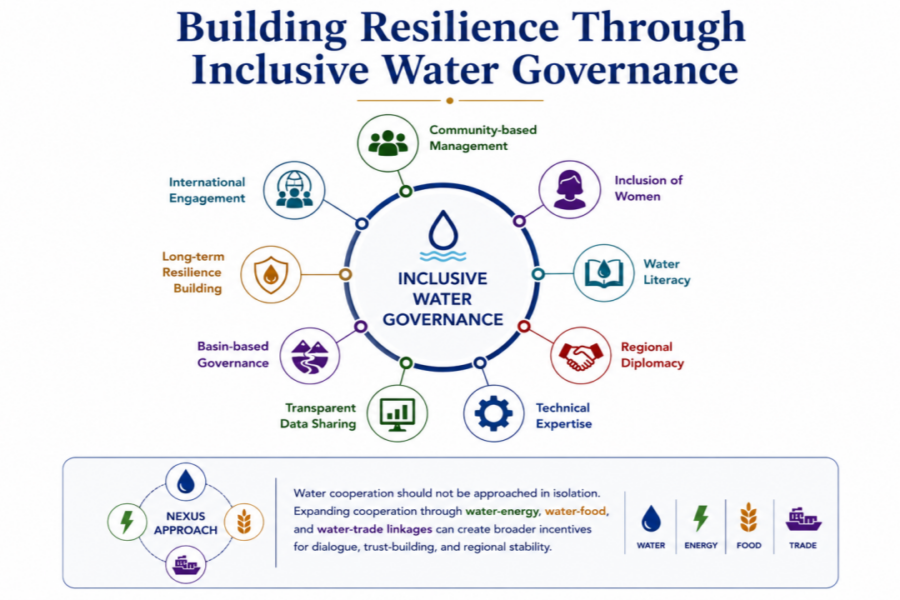
Recommendations for Strengthening Water Security, Peace, and Gender Inclusion Ahead of the 2026 UN Water Conference
Background This policy paper summarizes key insights and recommendations for strengthening water security through a Women, Peace and Security (WPS) lens ahead of the 2026 UN Water Conference. It draws on a recent high-level event co-hosted by the Georgetown Institute for Women, Peace and Security, in partnership with the Ministry for Foreign Affairs of Finland,…
When Peace Excludes: Gendered Barriers in Demobilization Processes
Across conflict settings, women’s participation in armed groups is both substantial and increasing. Yet, Disarmament, Demobilization, and Reintegration (DDR) processes continue to neglect women—reflecting outdated assumptions about who participates in conflict and who should qualify for reintegration support. Women’s Participation in Armed Groups is Significant Women are Often Overlooked in Disarmament, Demobilization, and Reintegration Conversations…
Building Women’s Coalitions for Peace and Security: Strategies, Tactics, and Lessons Learned
The Georgetown Institute for Women, Peace and Security (GIWPS) and the Sasakawa Peace Foundation (SPF) launched a new report, “Building Women’s Coalitions for Peace and Security: Strategies, Tactics, and Lessons Learned.” At a moment of escalating conflict, shrinking civic space, and increasing strain on global peace and humanitarian systems, the findings underscore that investing in…
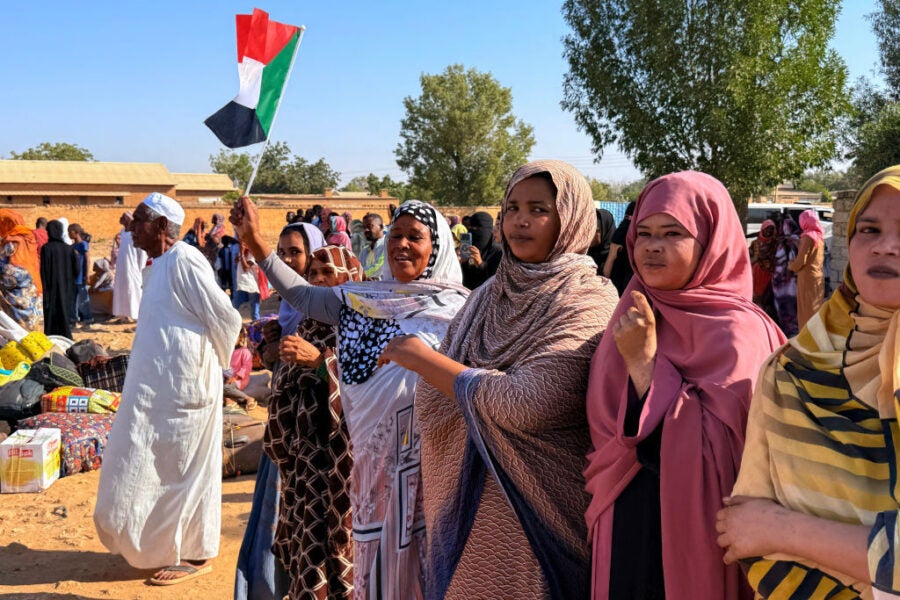
Conflicts and Trends to Watch in 2026
Entering 2026, the global security landscape is defined by record-high levels of armed conflict, democratic backsliding, geopolitical fragmentation, and an accelerating climate crisis—dynamics unfolding alongside unprecedented cuts to foreign aid and development assistance. These converging pressures are reshaping conflict environments in ways that disproportionately endanger women and girls while eroding the systems meant to protect…
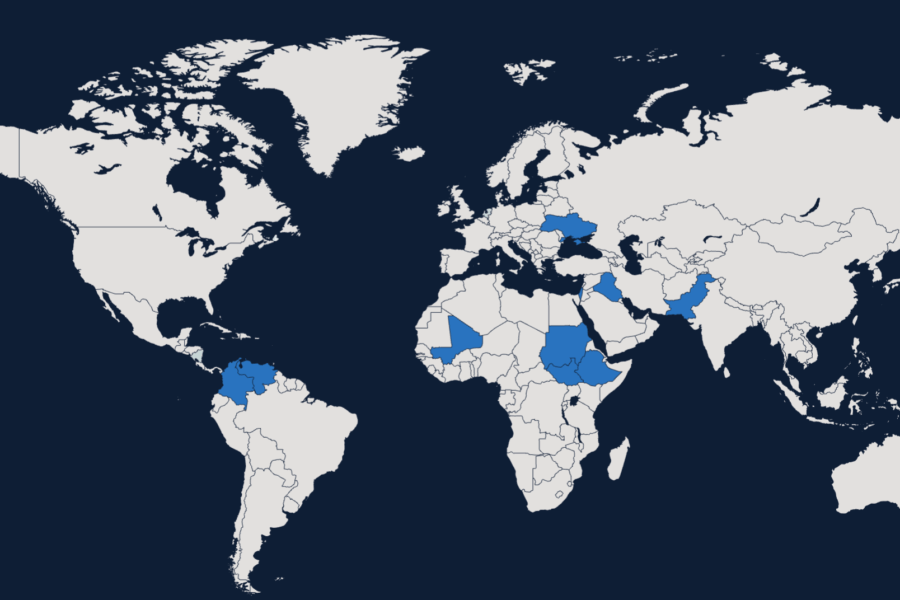
WPS Index 2025/26
Progress for women’s rights and wellbeing has stalled globally, according to the 2025/26 Women, Peace and Security (WPS) Index. WPS Index scores reveal that global progress on women’s status has largely stagnated since tracking began in 2017, with declines in certain regions. “As wars and conflicts reach a historic peak, progress on women’s status nears…
Bellagio Compact
Global Women Leaders’ Call to Action for the Revival of Democracy and Delivering on the Promise of the Beijing Declaration and Platform for Action The status of women is the status of democracy. Democracy, peace, and economic stability cannot exist without women’s rights and leadership, and attacks on those rights are often the first warning…
Women, Peace and Security Survey
The Georgetown Institute for Women, Peace and Security (GIWPS) released results from a global survey of nearly 3,000 women in 121 countries—one of the largest samples of women peacebuilders to date. The Women, Peace and Security (WPS) Survey highlights perspectives of women peacebuilders from around the world: where they find influence and meaning, the challenges they face, and…
Monitoring Progress on the Women, Peace and Security Agenda
The Georgetown Institute for Women, Peace and Security releases a series of reports tracking progress made by UN Member States on their commitments to advance WPS. The reports focus on states’ efforts to increase women’s representation in diplomacy and security spaces; funding for WPS-relevant activities; and the implementation of WPS through policy instruments over the…

10-Point Compact for Ukraine’s Just and Sustainable Peace
This Compact was developed by civil society leaders as part of the Women Leaders Coalition for the Future of Ukraine Summit. Download Compact Download a 1-Pager Authors Acknowledgements Global Women Leaders Endorsements The Women Leaders Coalition for the Future of Ukraine Summit This Compact is funded by the UK Government, provided through the Foreign, Commonwealth…

From Resolution to Revolution: Lessons Learned from 25 Years of the Women, Peace & Security Framework
Global conflicts are having a disproportionate impact on women, with violence reaching unprecedented levels and nearly one in three countries experiencing armed conflict. Additionally, women’s proximity to these conflicts is alarming, with 15% of women living within 50 kilometers of hostilities. This is happening amid increasing opposition to women’s political participation, setbacks in women’s rights,…

Subscribe to our Mailing List
Signing up for our mailing list will alert you to our new research and analysis and our upcoming virtual and in-person events.