Colombia
- Conflict Status Active
- WPS Trajectory Worsening
JUMP TO
What to Know
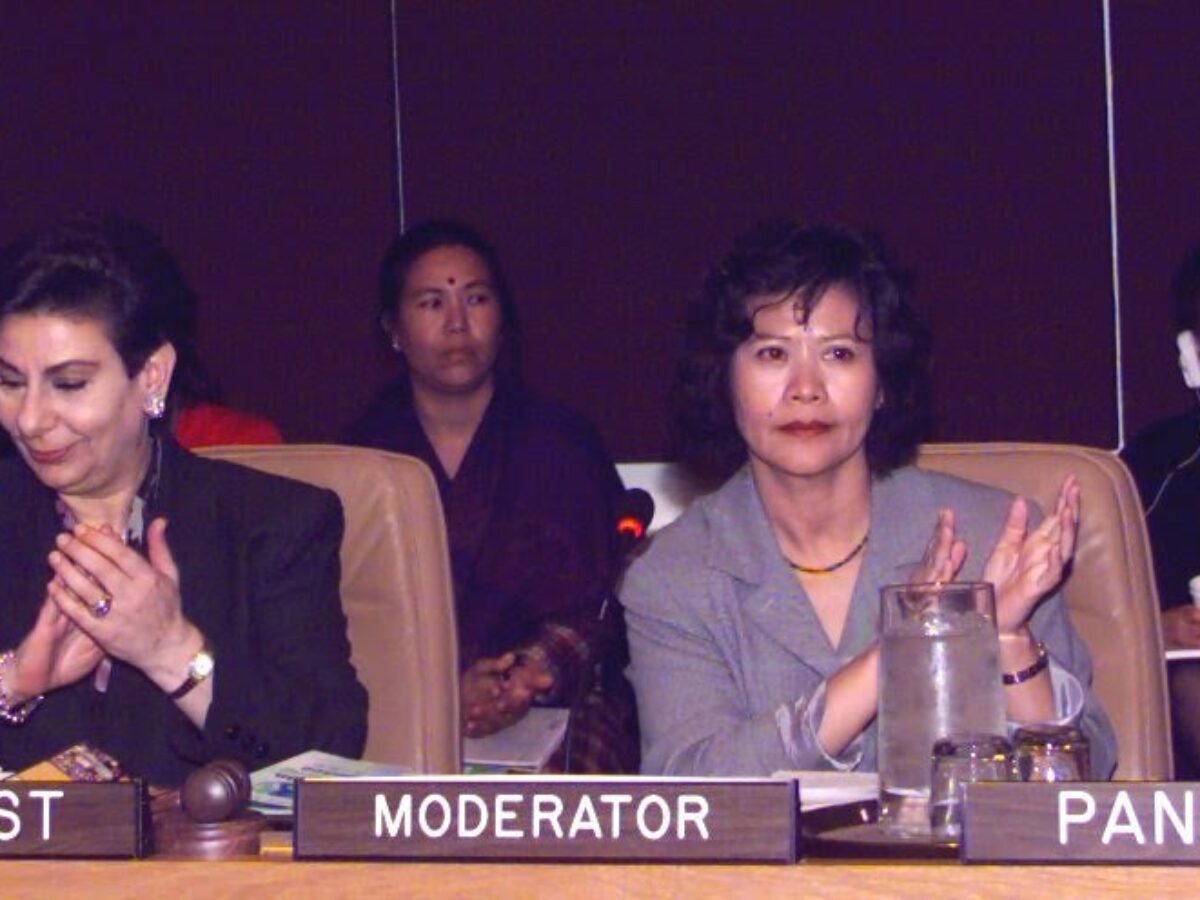
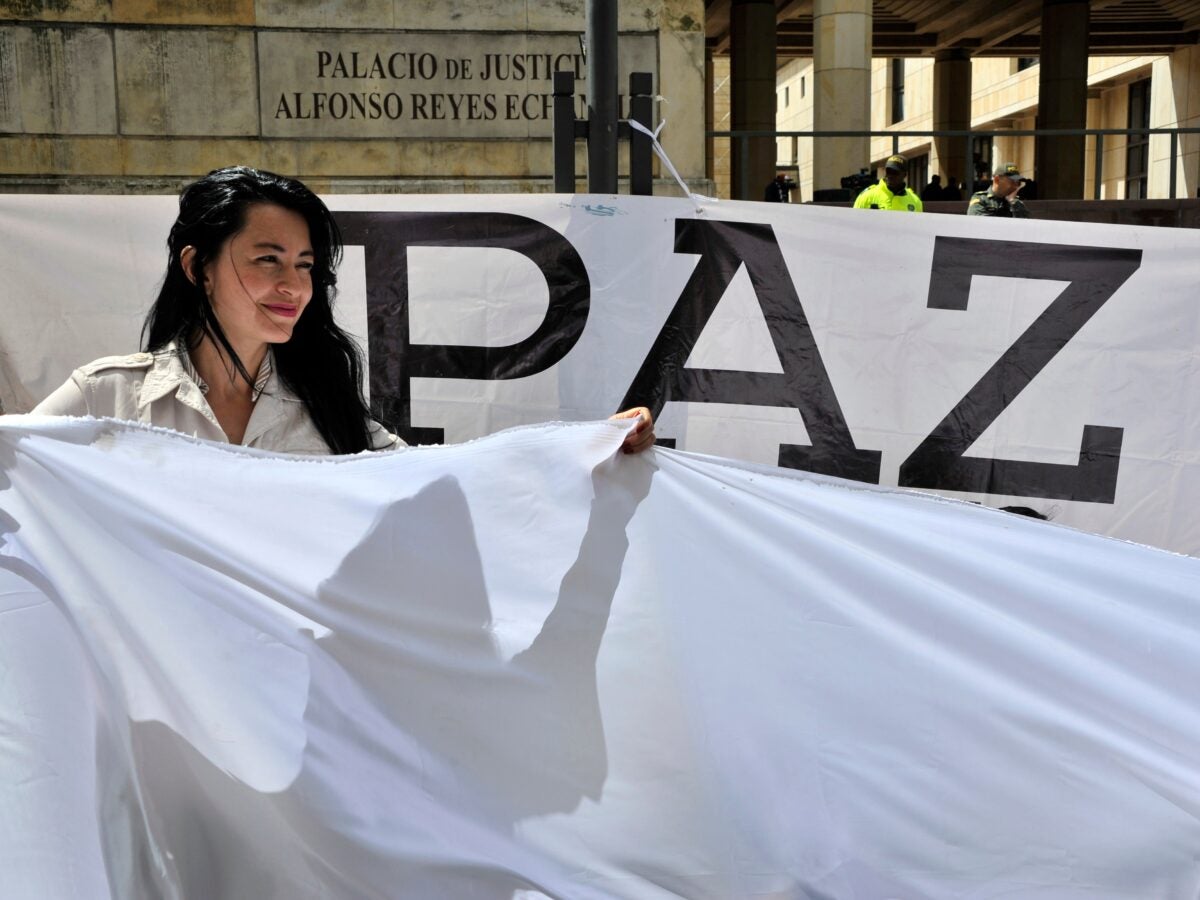
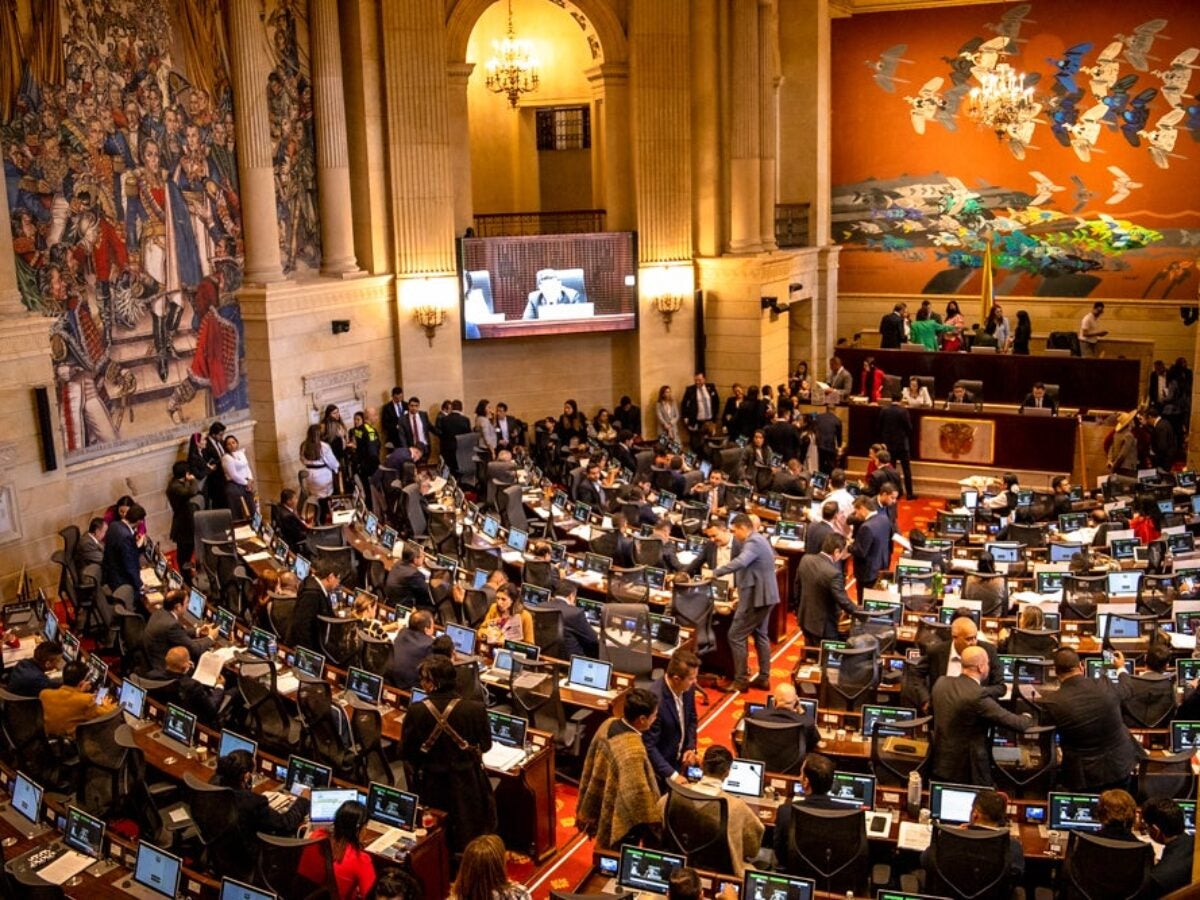
What to KnowDespite the 2016 peace agreement—groundbreaking in its inclusion of women’s rights—armed conflict and political violence continue to threaten the wellbeing of women in Colombia. Negotiations between Colombia’s government and the Revolutionary Armed Forces of Colombia (FARC) resulted in an agreement that ended more than 50 years of armed conflict, during which Indigenous and Afro-Colombian women in particular suffered an extreme degree of conflict-related sexual violence and displacement. The 2016 peace agreement was the most gender-inclusive to date, largely due to women’s official and unofficial advocacy before and during peace talks. Women comprised 20 percent of government negotiators and 43 percent of FARC delegates, with the final agreement ultimately including over 100 provisions related to women’s status. Since 2022, the government of President Gustavo Petro has undertaken a ‘Total Peace’ plan aiming to secure agreements with remaining armed groups. This plan has failed to achieve tangible results and is unable to resolve fighting between armed groups, raising concerns it has impeded the implementation of the 2016 agreement while undermining public perceptions of peace processes.
Current WPS Risks
Current WPS RisksCurrent WPS Opportunities
Current WPS OpportunitiesThis page was last updated on February 24, 2026.

Featured Research
The Climate-Gender-Conflict Nexus
WPS Index: Insights from the Field
Inclusive Justice
Featured Analysis

The recent peace deal in Colombia brought the oldest ongoing armed conflict…
Featured Events