Colombia
- Conflict Status Active
- WPS Trajectory Worsening
JUMP TO
What to Know
What to KnowDespite the 2016 Peace Agreement—groundbreaking in its inclusion of women’s rights—armed conflict and political violence continue to threaten the wellbeing of women in Colombia. Negotiations between Colombia’s government and the Revolutionary Armed Forces of Colombia (FARC) resulted in an agreement that ended more than 50 years of armed conflict, during which women—and Indigenous and Afro-Colombian women in particular—suffered high levels of conflict-related sexual violence and displacement. The 2016 agreement was the world’s most gender-inclusive to-date, largely due to women’s advocacy, and official and unofficial participation before and during peace talks. However, implementation has lagged, particularly in conflict-affected regions where weak state presence and insecurity have undermined the agreement’s commitments. Following the demobilization of much of the FARC, dissident factions, the National Liberation Army (ELN), and other armed groups expanded their operations, fueling renewed violence and competition with each other and the state for territorial control. In 2022, Gustavo Petro was elected as the country’s first leftist President, vowing to deliver “total peace” through negotiations with multiple armed groups and expanded state presence in conflict-affected areas. However, these promises fell short as President Petro’s term came to an end amid deep political polarization and a surge in violence. The 2026 presidential election period saw attacks against political figures, armed group activity, alleged voter intimidation, and insecurity, underscoring the continued influence of armed groups and persistent challenges to implementing a durable peace. Further, the election of Abelardo De La Espriella signals a shift toward a more militarized approach to security, with the new President promising to end negotiations with illegal armed groups.
Current WPS Risks
Current WPS RisksCurrent WPS Opportunities
Current WPS OpportunitiesThis page was last updated on September 16, 2026.

Featured Analysis
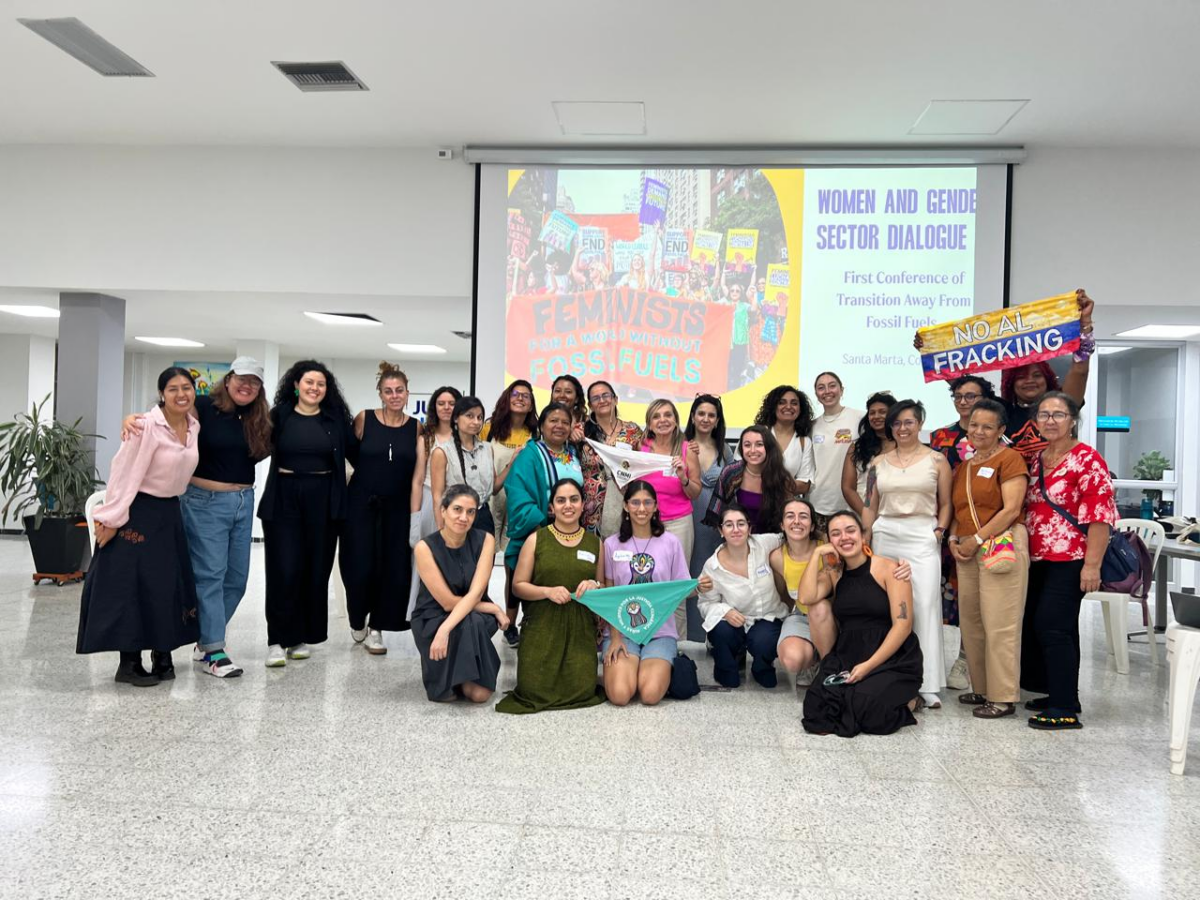
Protecting Women Environmental Defenders: Lessons from Colombia
For women environmental defenders, protecting the environment is inseparable from peacebuilding, protecting…

Women, Peace and Security Conflict Tracker: June Updates
Our Women, Peace and Security Conflict Tracker combines real-time data points and…

Why Women Make Diplomacy More Effective
At a time when global affairs are increasingly defined by military capabilities,…
Featured Events

Meet the Moment: Colombia’s Presidential Election and the Future of Peace, Democracy…
Pathways to Justice and Accountability for Conflict-Related Sexual Violence: Lessons Learned &…