Misogyny & Violent Extremism: Implications for Preventing Violent Extremism

Summary
Many analysts see terrorism and violent extremism as a part of a “man’s world”. Mostly men engage in violent acts; men lead groups like Islamic State or the Ku Klux Klan and tend to be the main protagonists of “lone wolf” attacks. As a result, men’s extremist violence is normalised, while women are stereotyped as non-violent. Because of this bias, violent extremism conducive to terrorism has been insufficiently analysed from a gender perspective.
The research reported here examines why and how radicalisation to violence occurs from a gender perspective. This policy brief analyses the underexplored relationship between attitudes and practices indicating misogyny (defined as both fear and hatred of women and/or the feminine) and support for violent extremism. Gender analysis of survey data collected in four countries (Indonesia, Bangladesh, the Philippines, and Libya) provides evidence of a mutually reinforcing dynamic of misogyny and violent extremism.
Citation
Johnston, Melissa and Jacqui True. “Misogyny & Violent Extremism: Implications for Preventing Violent Extremism.” United Nations Entity for Gender Equality and the Empowerment of Women. 2019.
Explore More
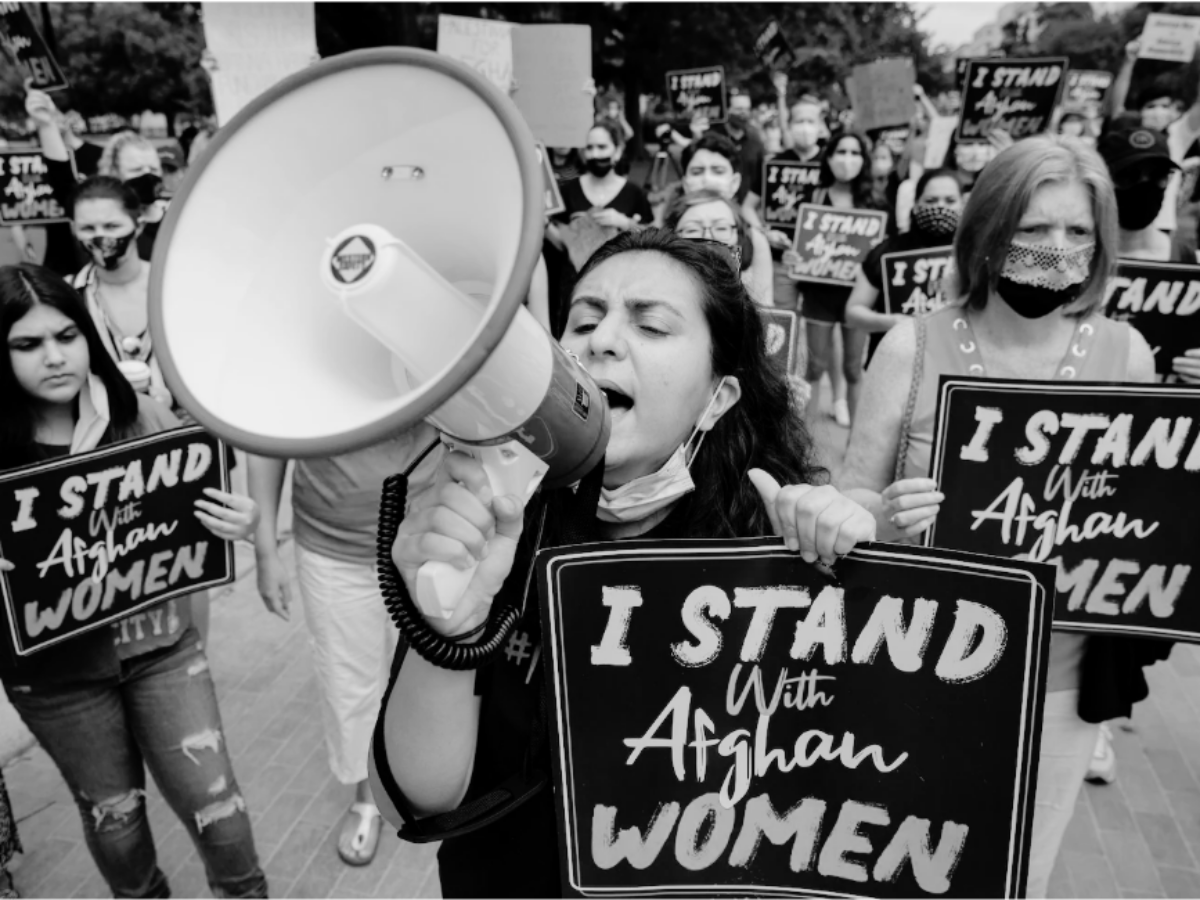
Afghan Women Pursuing Peace Under Oppression

The Women, Peace and Security Agenda Beyond 25 Years: Building Institutions for…