State Fragility and Structural Gender Inequality in Family Law

Abstract
This paper examines the linkage of male-dominant family law systems and levels of nation-state security and stability. The authors expect such societies to be predisposed to parasitical rent-seeking and inefficiency, combined with coercive conflict resolution, resulting in higher levels of violence within the society. The paper demonstrates empirically that states with inequitable family law also exhibit higher levels of state fragility. Using standard indicators of state stability and security, the empirical results show that the ability to predict levels of state stability and security is significantly enhanced by examining a measure of Inequity in Family Law in addition to more conventional explanatory variables such as literacy rate, level of democracy, and civilizational influence.
Citation
Bowen, Donna, Valerie M. Hudson, Perpetua Lynne Nielsen. “State Fragility and Structural Gender Inequality in Family Law: An Empirical Investigation.” Laws 4, (2015): 654-672.
Explore More

Voices from the Margins: Lived Realities of Rural Afghan Women
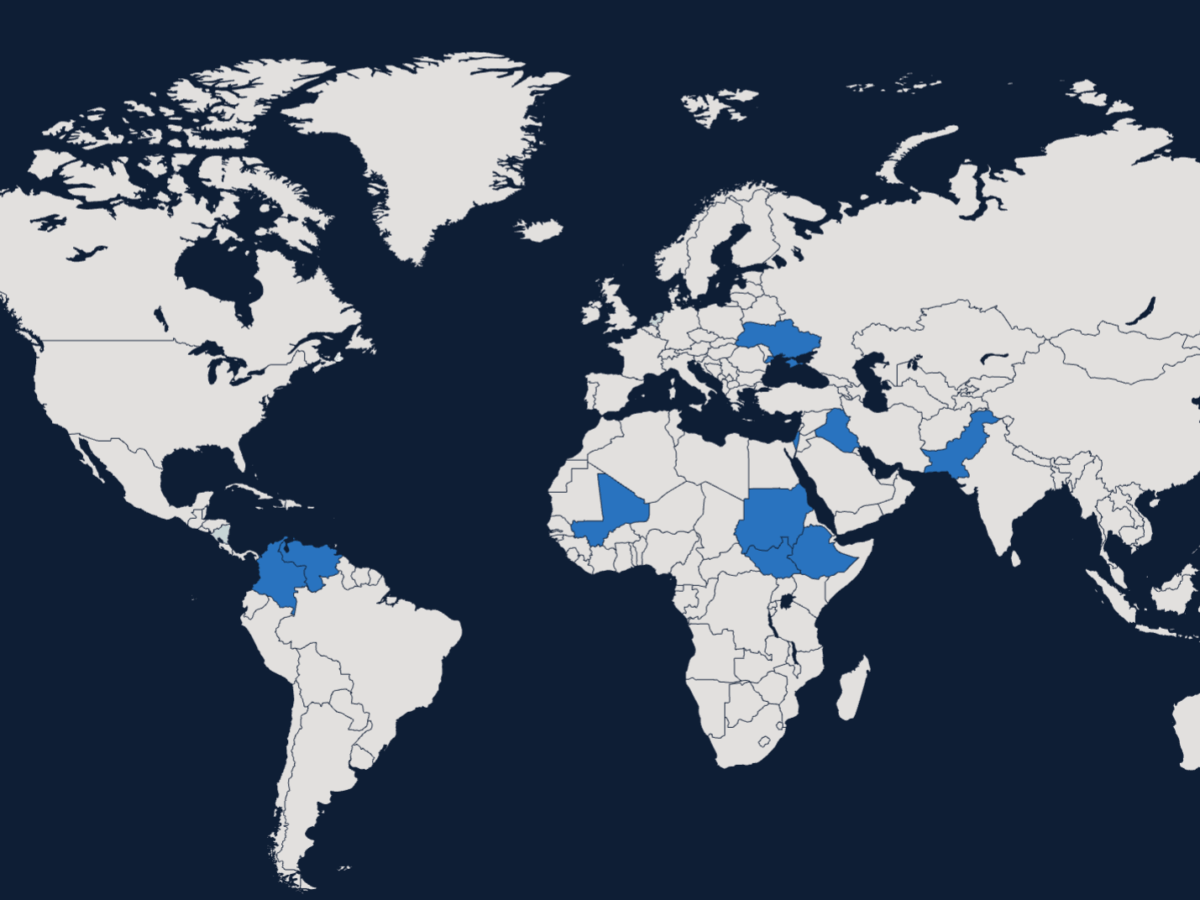
Conflicts and Trends to Watch in 2026